





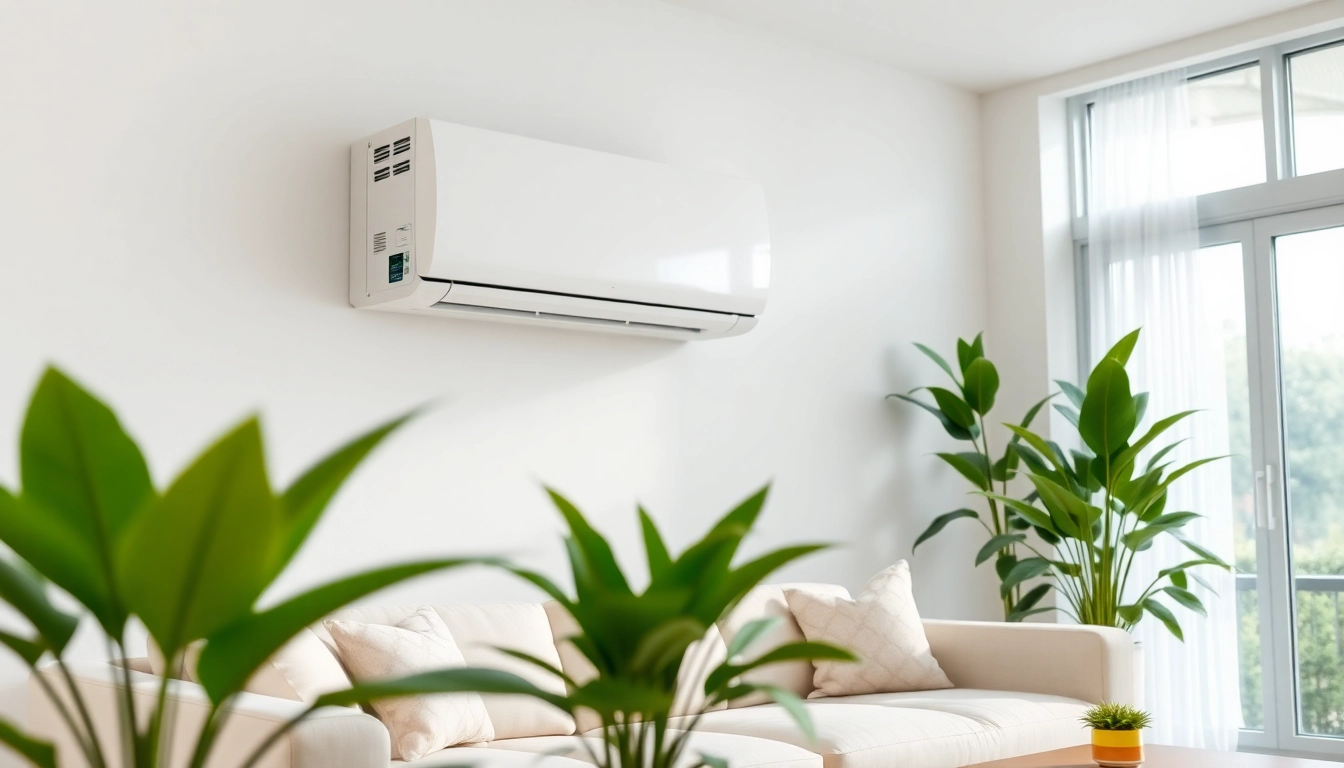
1. Overview of Mitsubishi Mini Split AC Systems
1.1 What is a Mitsubishi Mini Split AC?
The mitsubishi mini split ac is a sophisticated, efficient air conditioning system designed to provide localized cooling and heating for individual rooms or spaces without the need for extensive ductwork found in traditional HVAC systems. This innovative solution consists of an indoor unit, which is mounted on the wall or ceiling, and an outdoor compressor unit that is linked by refrigerant lines, allowing for flexible installation and quick setup. Recognized for its ability to deliver comfort and control, the Mitsubishi mini split ac has become increasingly popular in residential and commercial applications alike.
1.2 Key Features of Mitsubishi Mini Split AC
Mitsubishi mini split AC systems come with a range of compelling features that cater to diverse needs:
- Zoning Capabilities: Split systems allow for personalized settings in different zones, ensuring everyone stays comfortable.
- Energy Efficiency: Many models boast high SEER (Seasonal Energy Efficiency Ratio) ratings, translating to lower energy bills.
- Quiet Operation: With sound levels as low as 19 decibels, these systems offer peaceful operation.
- Advanced Filtration: Mitsubishi’s systems often include multi-stage filtration that improves indoor air quality by reducing allergens and pollutants.
- Smart Technology: Many units can be controlled remotely through Wi-Fi, allowing users to adjust settings from anywhere.
1.3 Benefits of Mini Split Systems
Mini split systems offer numerous advantages that enhance their appeal for both homeowners and businesses:
- Installation Flexibility: With no ductwork required, mini splits can be installed in spaces where conventional air conditioning would be challenging.
- Lower Operating Costs: These systems consume less energy, which can save substantial costs over their lifetime, particularly in homes with large, open spaces.
- Environmentally Friendly: Many models utilize eco-friendly refrigerants and advanced technologies aimed at minimizing energy consumption.
- Customized Comfort: Users have control over individual rooms or zones, leading to improved comfort levels based on personal preferences.
- Reduced Maintenance Costs: The absence of ductwork also reduces the likelihood of maintenance issues associated with traditional HVAC systems.
2. How to Select the Right Mitsubishi Mini Split AC
2.1 Assessing Your Cooling Needs
Prior to selecting a Mitsubishi mini split ac, it’s essential to assess your specific cooling needs. Factors to consider include:
- Room Size: Measure the square footage of the space to determine the appropriate BTU (British Thermal Unit) rating required for effective cooling or heating.
- Insulation Quality: Well-insulated spaces may require less cooling power compared to poorly insulated areas.
- Sunlight Exposure: Rooms with large windows or significant sun exposure may need additional cooling capacity.
- Occupant Levels: Consider the number of occupants, as additional body heat generated in a room can influence temperature needs.
2.2 Comparing Energy Efficiency Ratings
Understanding energy efficiency ratings is vital when choosing a Mitsubishi mini split ac. Look for units with:
- SEER Rating: The SEER rating indicates the cooling efficiency of the system over an entire cooling season. Higher SEER ratings indicate more efficient performance.
- EER Rating: The Energy Efficiency Ratio measures the cooling output during peak conditions and can also help compare products.
Choosing a highly efficient model not only reduces your environmental footprint but can lead to significant savings on energy bills over time.
2.3 Understanding Installation Requirements
Installation is a crucial aspect of optimizing your Mitsubishi mini split ac system’s performance. Proper installation ensures efficiency and longevity:
- Space for Indoor and Outdoor Units: Ensure there is adequate space to install both units, keeping clearance distances in mind.
- Electrical Connections: A dedicated electrical line may be necessary, and compatibility with local codes is essential.
- Refrigerant Lines: Correct placement and insulation of refrigerant lines can prevent leakage and maintain efficiency.
- Drainage: Ensure the indoor unit can drain condensation properly to avoid water damage.
3. Installation Process for Mitsubishi Mini Split AC
3.1 Preparing Your Space for Installation
Preparation is critical for a successful Mitsubishi mini split ac installation. To begin, ensure that the location for both the indoor and outdoor units are free from obstructions. Consider the following steps:
- Choose Mounting Locations: Select an appropriate wall for the indoor unit, ideally near a power source and away from direct sunlight.
- Check Electrical Requirements: Confirm that your home has the necessary electrical systems in place.
- Plan for Drainage: Make sure the indoor unit has a clear drainage path for any condensation.
3.2 Step-by-Step Installation Guide
Here’s an outline of the installation process:
- Mount the Indoor Unit: Secure the mounting bracket to the wall and attach the indoor unit.
- Install the Outdoor Unit: Place the outdoor unit on a firm base, ensuring proper airflow and clearance.
- Connect Refrigerant Lines: Run the insulated refrigerant lines between the indoor and outdoor units carefully.
- Make Electrical Connections: Ensure all electrical wiring is correctly connected according to the manufacturer’s specifications.
- Test the System: Power on the units and check for leaks, airflow, and proper operation.
3.3 Common Installation Mistakes to Avoid
To ensure a successful installation, avoid these common mistakes:
- Neglecting Local Building Codes: Always verify that your installation plan complies with local regulations.
- Improper Sizing: Failing to select an appropriately sized unit for your space can lead to inefficiencies.
- Ignoring Airflow Needs: Blocked or restricted airflow can hinder performance; ensure there are no obstructions.
- Forgetting Proper Sloping for Drainage: A sloped drain line is necessary to ensure efficient condensation removal.
4. Maintaining Your Mitsubishi Mini Split AC for Longevity
4.1 Routine Maintenance Tasks
Regular maintenance is vital to promote efficiency and prolong the life of your Mitsubishi mini split ac system. Key maintenance tasks include:
- Cleaning or Replacing Filters: Check filters monthly and replace or clean them every 1-3 months to maintain optimal airflow.
- Cleaning the Outdoor Unit: Clear debris and dirt from the outdoor unit regularly to ensure unobstructed airflow.
- Checking Drain Lines: Ensure the drain lines are clear by flushing them periodically to prevent clogs and buildup.
4.2 Troubleshooting Common Issues
Understanding how to troubleshoot common problems can save time and frustration. Some issues to monitor include:
- Insufficient Cooling: Check for dirty filters or blocked vents that may restrict airflow.
- Strange Noises: Identify any unusual sounds coming from the unit, which may signal a mechanical issue.
- Leaking Water: Inspect the drain line and indoor unit for clogs or improper installation.
4.3 When to Call a Professional
While routine maintenance can be performed by homeowners, certain situations warrant professional intervention:
- Refrigerant Leaks: Only certified technicians should handle refrigerant leaks due to safety and legal regulations.
- Electrical Issues: If you experience electrical problems, it’s best to consult a licensed electrician.
- Persistent Problems: If basic troubleshooting doesn’t resolve issues, a professional can diagnose and repair complex problems.
5. Frequently Asked Questions about Mitsubishi Mini Split AC
5.1 How efficient is the Mitsubishi mini split AC?
Mitsubishi mini split AC systems are known for their high energy efficiency, often boasting SEER ratings of 20 or more, which can lead to significant energy savings.
5.2 What’s the average lifespan of a Mitsubishi mini split AC?
With proper maintenance, a Mitsubishi mini split AC can last for 15 to 20 years, making it a long-term investment for climate control.
5.3 Can I install a Mitsubishi mini split AC myself?
While DIY installation is possible, it’s recommended to hire a professional for optimal performance and to comply with local regulations.
5.4 How loud is a Mitsubishi mini split AC during operation?
Most models operate at around 19 to 46 decibels, which is quieter than a typical conversation, ensuring minimal disruption.
5.5 Do I need to clean my Mitsubishi mini split AC regularly?
Yes, regular cleaning of the filters and outdoor unit is necessary to maintain efficiency and indoor air quality, ideally every month or two.




More Stories
Why Acrylic Standee Is the Best Choice for Custom Merchandise in 2026
The Buy Nobility Aids Operations Manual for 2026: Essential Tips for Caregivers and Seniors
Mastering Custom Body Pillow Designs for 2026: Your Complete Guide