





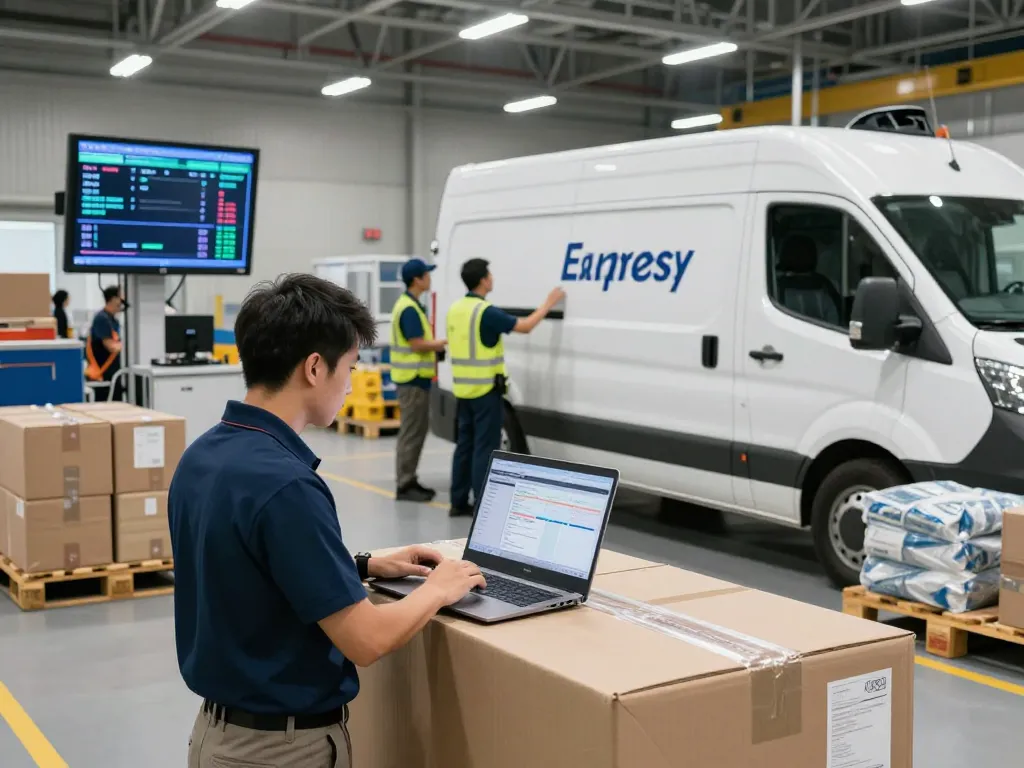
Understanding Time Critical Transport Solutions
In the fast-paced world of logistics, businesses face immense pressure to deliver goods swiftly and efficiently to maintain a competitive edge. This is where time critical transport solutions come into play. Such services are designed to cater to urgent delivery needs, ensuring that time-sensitive cargo reaches its destination without delay. Bennison Transport, a leader in this sector, specializes in UK and European express logistics, providing 24/7 operations that accommodate sudden demands and emergencies. By understanding the nuances of time critical logistics, organizations can enhance their supply chain responsiveness and customer satisfaction. When exploring options, time critical solutions provide comprehensive insights into managing urgent deliveries effectively.
What is Time Critical Logistics?
Time critical logistics refers to the transportation process focused on delivering goods within tight deadlines. Unlike traditional logistics, where schedules can be more flexible, time critical logistics is about precision and rapid execution. This type of transport is essential for various industries, including manufacturing, healthcare, and tech, where delays can result in significant operational setbacks. Services typically include overnight shipping, emergency same-day deliveries, and expedited freight services, all designed to meet stringent time constraints.
The Importance of Speed in Transportation
The speed of transportation can drastically influence business operations and customer relations. In today’s market, customers expect timely deliveries, and businesses must adapt to meet these demands. Fast transport solutions can improve inventory turnover rates, reduce holding costs, and enhance overall customer satisfaction. Furthermore, timely deliveries are often a crucial element of maintaining competitive advantages in industries where product availability is essential.
Common Challenges in Time Critical Deliveries
Despite the clear advantages of time critical transport, several challenges accompany these rapid delivery services:
- Traffic and Route Management: Navigating congested areas can impede delivery times. Efficient route planning is vital to minimize delays.
- Vehicle Availability: Ensuring that appropriate vehicles are available for immediate use can be a logistical hurdle.
- Weather Conditions: Adverse weather can significantly impact travel times and necessitate alternative routes.
- High Costs: The need for speed often translates to higher shipping costs, which can be a concern for businesses looking to manage budgets.
Key Features of Effective Transport Services
Real-Time Tracking and Monitoring Technologies
Tracking technology is a cornerstone of effective time critical logistics. Businesses benefit from real-time updates and GPS tracking systems, which allow both the provider and the customer to monitor shipments throughout the delivery process. This transparency fosters trust and helps manage expectations, as stakeholders can see their cargo’s journey and receive updates on potential delays.
Maintaining Vehicle Cleanliness and Safety Standards
In the realm of time critical transport, the condition of the vehicle is paramount. A clean, well-maintained vehicle ensures the safety and integrity of goods being transported. For businesses like Bennison Transport, adhering to high cleanliness standards and conducting regular safety checks is non-negotiable. This commitment helps prevent damage during transport and ensures compliance with health and safety regulations.
Business Insurance and Drivers’ Certifications
Robust insurance policies protect businesses and customers from potential losses during transport. Time critical transport companies must hold the correct business insurance to cover various risks associated with expedited deliveries. Additionally, certified drivers play a critical role in ensuring that goods are handled properly and transported safely, thereby reducing liability and enhancing service quality.
Case Studies: Successful Time Critical Deliveries
From Newcastle to Stockport: A Success Story
One prominent example of effective time critical logistics involved a machinery transfer from Newcastle to Stockport. Bennison Transport was able to collect the equipment within an hour and deliver it on time, demonstrating the efficiency and reliability of their service. The seamless execution of this delivery not only satisfied the client’s urgent needs but also reinforced Bennison Transport’s reputation as a trusted logistics provider.
Transporting High-Value Goods Safely
When dealing with high-value or sensitive goods, the stakes are even higher. Time critical transport solutions must prioritize security and damage prevention. For instance, transporting medical equipment or artwork requires specialized handling and constant monitoring to ensure these valuable items remain undamaged throughout their journey. Companies that excel in this area often utilize advanced technology and well-trained personnel to manage these logistics challenges effectively.
Innovative Solutions in Time Critical Transport
Innovation continues to redefine the transport landscape. Companies that adopt cutting-edge technologies—such as artificial intelligence for route optimization or blockchain for enhanced security—can greatly improve their time critical logistics offerings. By leveraging such technologies, businesses can streamline operations, reduce costs, and enhance service reliability, ultimately leading to higher customer satisfaction.
Best Practices for Efficient Time Critical Operations
Strategic Load Planning and Scheduling
Effective load planning is crucial for efficiency in time critical logistics. By strategically scheduling loads based on urgency and destination, companies can maximize vehicle usage and minimize costs. This requires an analytical approach to demand forecasting and capacity management to ensure that resources are allocated effectively.
Utilizing Technology for Route Optimization
Advanced routing software can significantly enhance the efficiency of time critical transport operations. By factoring in variables such as traffic conditions, weather forecasts, and delivery windows, logistics providers can select the fastest and most efficient routes. This not only saves time but can also reduce fuel costs and enhance overall operational efficiency.
Building Strong Relationships with Customers
Customer relations are vital for business success, especially in the competitive logistics sector. Establishing strong relationships through transparent communication and dependable service can lead to repeat business and positive referrals. Companies that take the time to understand their clients’ needs and preferences are in a better position to tailor their services accordingly, enhancing the overall customer experience.
Future Trends in Time Critical Transport
Emerging Technologies in Logistics for 2026
As we look towards 2026, several emerging technologies are set to transform the logistics industry. Innovations such as autonomous vehicles, drone deliveries, and advanced data analytics will likely shape the future of time critical transport. These technologies promise to improve delivery speed and efficiency, allowing companies to meet increasing customer expectations.
Adapting to Changing Customer Expectations
Customer expectations are continuously evolving, driven by advancements in technology and changes in consumer behavior. Companies must stay agile and responsive to these shifts, providing adaptable services that can meet varied delivery needs. For example, offering flexible delivery windows or enhanced tracking capabilities can help logistics providers stand out in a crowded market.
Sustainability and Environmental Considerations
As sustainability becomes an increasingly pressing concern, logistics companies will need to prioritize environmentally friendly practices. This could involve using electric vehicles, optimizing delivery routes to reduce emissions, or employing sustainable packaging materials. Time critical transport sectors must align with broader societal goals to appeal to eco-conscious consumers and remain competitive in the market.
What are the key benefits of time critical transport?
Time critical transport offers numerous benefits, including improved reliability, enhanced customer satisfaction, and the ability to react swiftly to market demands. Businesses that utilize these services can maintain operational continuity and safeguard their reputation in a fast-paced environment.
How can businesses improve their logistics efficiency?
Businesses can enhance their logistics efficiency by adopting advanced technologies, investing in staff training, and focusing on process optimization. Streamlined operations lead to faster and more reliable deliveries, ultimately driving customer satisfaction.
What technologies are redefining the transport industry?
Technologies such as AI, IoT, and big data analytics are redefining the transport industry by enabling real-time monitoring, improved route planning, and enhanced predictive capabilities. Adoption of these technologies can vastly improve operational efficiency and service quality.
Why is real-time tracking essential for logistics?
Real-time tracking provides transparency and accountability in the logistics process. It allows businesses and customers to monitor shipments, anticipate delays, and improve overall coordination, which is particularly critical in time sensitive scenarios.
How do I choose a reliable time critical transport provider?
When selecting a time critical transport provider, consider their track record, customer reviews, and the robustness of their logistics technology. Reliability, speed, and communication should be top priorities for businesses requiring urgent transport solutions.




More Stories
West Palm Beach Mold Remediation for Beginners: Everything You Need to Know in 2026
The Advanced CRM that Brings Customers to My Business Playbook for Experienced Service Providers
bauendreinigung preis: How to Unlock Better Cleaning Solutions in 2026