
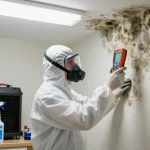





Understanding the Role of a Manhattan General Contractor
In the bustling environment of Manhattan, building and renovation projects require meticulous planning and execution. The role of a Manhattan General Contractor is pivotal in ensuring that projects are completed on time, within budget, and to the highest standards. They serve as the linchpin between clients, subcontractors, and various regulatory bodies, navigating the complexities of urban construction.
Key Responsibilities of a Manhattan General Contractor
A Manhattan General Contractor carries a diverse set of responsibilities that vary by project size and scope. Their primary duties include:
- Project Management: Overseeing all aspects of the construction process, from planning through to completion.
- Budget Management: Creating and maintaining budgets, managing costs, and ensuring that the project does not exceed financial constraints.
- Procurement: Sourcing and purchasing materials, securing permits, and hiring subcontractors.
- Timeline Development: Establishing a detailed project timeline, setting deadlines, and ensuring that all parties are on schedule.
- Quality Control: Conducting regular site inspections and ensuring that work meets regulatory standards and specifications.
- Client Communication: Serving as the primary point of contact for clients, updating them on project progress, and addressing any concerns.
Licensing and Certification Requirements
To operate as a general contractor in Manhattan, individuals must obtain specific licenses and certifications. Each state has its own requirements, but typically, they include:
- General Contractor License: Required by the state, indicating that the contractor has met all necessary laws and standards.
- Business Insurance: Liability and worker’s compensation insurance to protect against accidents on the job site.
- Continuing Education: Many jurisdictions require ongoing education to keep contractors informed about new regulations and practices.
Choosing the Right General Contractor for Your Project
Selecting the right Manhattan General Contractor is crucial for successful project execution. Consider the following factors:
- Experience: Look for contractors who have a history of completing projects similar to yours.
- Reputation: Check reviews, ratings, and references to gauge reliability and quality of work.
- Communication Style: Ensure their communication style aligns with yours to foster effective collaboration.
- Transparency: A good contractor will provide clear estimates and be upfront about potential challenges.
Best Practices for Hiring a Manhattan General Contractor
Evaluating Experience and Expertise
When vetting a general contractor, it’s essential to assess their previous experience and expertise. Request portfolios showcasing completed projects and ask for case studies or references from past clients. This will provide insight into the contractor’s capabilities, helping you make an informed decision.
Understanding Project Estimates and Bids
Receiving detailed project estimates is vital for understanding costs. Look for estimates that provide breakdowns of labor, materials, and any additional fees. Comparing multiple bids can also give you a better sense of the market rates for your project.
Crucial Questions to Ask Potential Contractors
Before making a decision, engage potential contractors with key questions to assess fit:
- What is your estimated timeline for project completion?
- How do you handle unforeseen issues that arise during construction?
- Can you provide a detailed contract outlining all aspects of the project?
- What is your process for ensuring quality control?
- How many active projects do you currently have?
Challenges Faced by Manhattan General Contractors
Navigating Local Regulations and Permits
One of the most significant challenges faced by contractors in Manhattan involves navigating the myriad of local building codes, zoning laws, and permit requirements. Staying up-to-date on regulations ensures compliance and avoids costly delays.
Managing Diverse Teams and Subcontractors
Coordinating between various subcontractors who may have different specialties poses another challenge. Effective communication and strong leadership skills are essential for ensuring that all team members work harmoniously towards a common goal.
Adapting to New Technologies in Construction
The construction industry is undergoing rapid technological advancements, from project management software to construction automation tools. Contractors must be quick to adapt to these technologies to maintain efficiency and competitiveness.
Successful Project Management Techniques
Workflow Optimization for Efficiency
Efficient project management requires optimized workflows. Techniques such as lean construction methods and just-in-time delivery can significantly enhance productivity by reducing waste and improving resource allocation.
Effective Communication with Clients and Teams
Strong communication is the backbone of successful project management. Implementing regular check-ins, utilizing project management apps, and fostering an open dialogue ensures that everyone remains informed and aligned.
Tracking Progress and Addressing Issues Promptly
Employing progress tracking tools can help contractors monitor project developments in real-time. Being proactive in identifying and addressing issues as they arise prevents trivial problems from escalating into significant setbacks.
The Future of Construction in Manhattan
Sustainable Building Practices
As environmental concerns continue to grow, the construction industry is shifting towards sustainable practices. Incorporating eco-friendly materials and practices not only meets regulatory demands but also appeals to environmentally conscious clients.
Innovative Construction Technologies
The adoption of innovative technologies, such as Building Information Modeling (BIM) and 3D printing, is reshaping the future of construction. These advancements allow for improved precision, enhanced collaboration, and reduced costs.
Emerging Trends in Urban Development
Urban development trends such as mixed-use buildings and community-centric layouts reflect a shift towards more holistic approaches to city planning. As a result, general contractors must stay informed and adaptable to meet these evolving demands.
Frequently Asked Questions
What is the average cost of hiring a Manhattan General Contractor?
Costs vary based on project scope but typically range from 10% to 20% of the total construction budget, plus additional fees for permits and materials.
How long does it take to complete a construction project?
The duration of a project can vary widely, from a few months for small renovations to over a year for larger commercial developments, depending on complexity.
What should I look for in a contract?
A comprehensive contract should include project scope, cost estimates, timelines, payment schedules, and details about obligations and warranties.
Do I need permits for renovation work?
Most renovation projects, especially structural ones, require permits. It’s crucial for contractors to handle this aspect to ensure compliance with local laws.
Can I stay in my home during construction?
It depends on the extent of the renovations. Minor work might allow you to stay, but significant projects may necessitate temporary relocation for safety and comfort.




More Stories
West Palm Beach Mold Remediation for Beginners: Everything You Need to Know in 2026
The Advanced CRM that Brings Customers to My Business Playbook for Experienced Service Providers
bauendreinigung preis: How to Unlock Better Cleaning Solutions in 2026