




Understanding Bed Bug Heat Treatment
Bed bugs are a growing concern for many households and businesses. As these hardy pests continue to adapt to various environments, effective and efficient methods of extermination are crucial. Among the most effective methods available is bed bug heat treatment, a scientifically backed solution that not only eliminates these pests but also addresses their eggs, ensuring a comprehensive approach to eradication. In this article, we will explore the intricacies of heat treatment, how it works, its benefits, and what you can expect during and after the process.
What is Bed Bug Heat Treatment?
Bed bug heat treatment is a pest control method that uses high temperatures to kill bed bugs at all life stages, including adults, nymphs, and eggs. This technique involves raising the temperature in infested areas to a lethal level (typically between 120°F to 140°F) and maintaining that heat for a predetermined period. Unlike chemical treatments, which may require multiple applications, heat treatment aims for immediate results in one session, making it a popular choice among homeowners and rental properties.
How Heat Treatment Works Against Bed Bugs
Heat treatment works by disrupting the biological processes of bed bugs. When exposed to temperatures above 120°F, bed bugs cannot survive. The heat penetrates various materials, including mattresses, furniture, and walls, effectively reaching bugs hiding in crevices and seams. It’s essential to ensure that the heat is adequately distributed throughout the infested area, which is why professional services are recommended, as they utilize specialized equipment to achieve these results.
Benefits of Choosing Heat Over Chemical Treatments
- Non-toxic solution: Heat treatment does not involve harmful chemicals, making it a safer option for households with children and pets.
- Instant results: Most infestations can be eliminated in a single treatment session.
- Effective against all life stages: Heat kills bed bugs and their eggs, preventing future infestations.
- Minimal disruption: Many heat treatments require less preparation compared to traditional chemical treatments, allowing for a quicker return to normalcy.
The Process of Heat Treatment
Understanding the heat treatment process is crucial for homeowners looking to eliminate bed bugs effectively. Preparation, execution, and follow-up are all important stages that contribute to the success of treatment.
Preparation Steps Before Treatment
Before the treatment begins, several steps need to be followed to ensure the effectiveness of the heat treatment. Homeowners are typically advised to:
- Remove all items from the infested area, including clothing, toys, and clutter.
- Vacuum carpets and flooring to eliminate any visible bugs and reduce the overall population.
- Consult with exterminators to address any specific instructions pertinent to the heat treatment.
What to Expect During the Heat Treatment
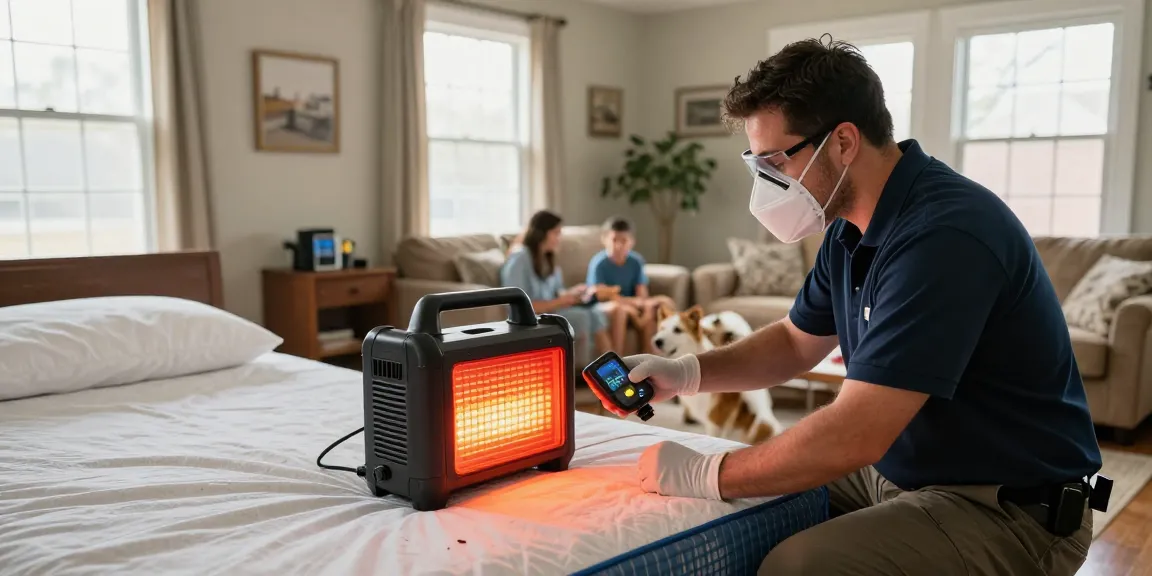
During the heat treatment, professional exterminators will set up heaters strategically throughout the space. The professionals monitor the temperature consistently, ensuring it remains at lethal levels for a sufficient duration (typically around 90 minutes to several hours). Homeowners may need to vacate the premises during this time to ensure safety.
Post-Treatment Steps for Homeowners
After the heat treatment is complete, there are several follow-up steps that homeowners should take:
- Inspect the treated area for any remaining signs of bed bugs.
- Allow the space to cool down adequately before re-entering.
- Follow any additional guidance provided by the exterminators regarding reintroducing items and ongoing monitoring.
Cost Considerations for Heat Treatment
When considering bed bug heat treatment, understanding the associated costs is essential. Pricing can vary based on several factors, including the size of the infestation and the area being treated.
Average Costs for Bed Bug Heat Treatment Services
The average cost of heat treatment can range from $1,000 to $2,500, depending on the severity of the infestation and property size. This pricing often includes a thorough inspection, treatment preparation, and follow-up services.
Factors That Affect the Overall Cost
Several factors may affect the overall cost of the heat treatment process, including:
- Infestation level: Heavily infested areas may require more extensive preparation and longer treatments.
- Property size: Larger spaces or multi-room treatments require more resources.
- Additional services: If ongoing maintenance or follow-up treatments are needed, these will contribute to the overall cost.
Evaluating Value vs. Price in Pest Control
While it may be tempting to choose a lower-cost option, evaluating the value of the service is crucial. A comprehensive heat treatment not only addresses the current infestation but also helps prevent future problems. Considering the effectiveness and safety of heat treatment, many homeowners find it a worthwhile investment.
Common Misconceptions About Heat Treatment
Despite its effectiveness, several misconceptions about heat treatment can lead to confusion among homeowners.
Myths About Heat Treatment Effectiveness
One common myth is that heat treatment does not eliminate bed bugs effectively. However, when performed correctly, studies have shown that heat treatment can achieve over 90% efficacy against bed bugs and their eggs.
Understanding Safety Concerns
Many people worry about the safety of heat treatment for their property. However, professional exterminators are trained to manage the equipment safely, reducing the risk of fire hazards.
What Experts Say About DIY Heat Solutions
While DIY heat treatment solutions are available, experts warn against them due to the need for precise temperature control and monitoring. Professional services are recommended to ensure that the treatment is conducted safely and effectively.
Future Trends in Bed Bug Management
As technology continues to evolve, so does pest control. The future of bed bug management will likely see innovations that improve efficiency and effectiveness.
Emerging Technologies in Pest Control
New technologies, such as smart monitoring systems and automated heat treatment devices, are emerging in the pest control industry. These innovations can provide real-time data and improve treatment outcomes.
Predictions for Bed Bug Infestations in 2026
Experts predict that bed bug infestations will continue to rise, especially in urban areas due to increases in travel and shared accommodations. Continuous education and awareness are essential in combating these trends.
Innovations in Eco-Friendly Treatment Options
The push for eco-friendly pest control methods is stronger than ever. Future treatments may focus on sustainable practices that minimize chemical use while maximizing effectiveness.
What Are the Signs of a Bed Bug Infestation?
Common signs of infestations include:
- Itchy, red welts on the skin, often in a line or cluster.
- Small blood stains on bedding or furniture.
- Dark spots of fecal matter or shed skins near bedding and furniture.
How Effective is Heat Treatment Compared to Other Methods?
Heat treatment is often compared to chemical treatments regarding effectiveness. While chemical treatments can provide residual protection, heat treatment’s ability to destroy all life stages in one session makes it a strong contender in bed bug management.
Is Bed Bug Heat Treatment Safe for Pets and Children?
Yes, one of the benefits of heat treatment is that it is a non-toxic method, making it safer for children and pets compared to traditional chemical methods.
What is the Average Duration for Heat Treatments?
Typically, heat treatments can last from 1.5 to 8 hours, depending on the size of the area and the severity of the infestation.
Can I Stay in My Home During Heat Treatment?
It is recommended that residents vacate the premises during heat treatment to ensure safety and effectiveness. Afterward, you can return once the area is cooled down.




More Stories
West Palm Beach Mold Remediation for Beginners: Everything You Need to Know in 2026
The Advanced CRM that Brings Customers to My Business Playbook for Experienced Service Providers
bauendreinigung preis: How to Unlock Better Cleaning Solutions in 2026