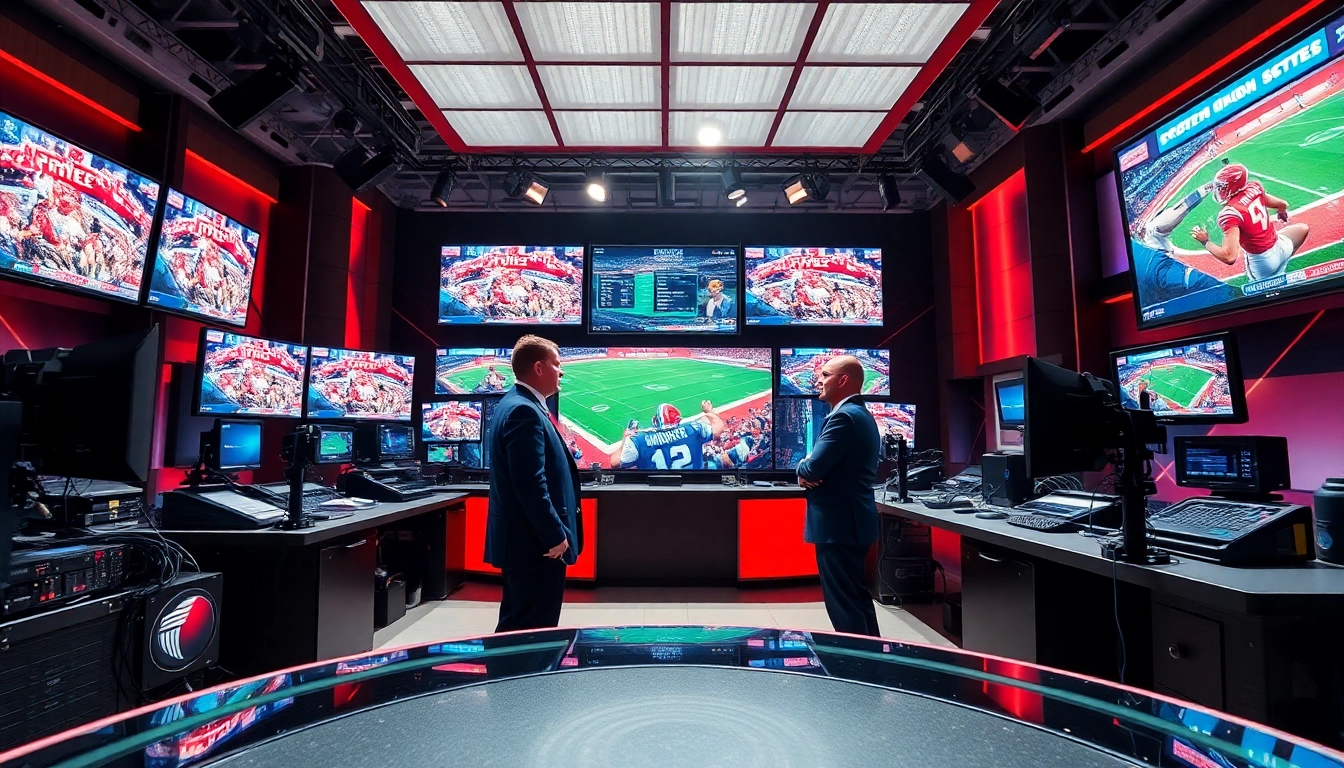
Understanding the Landscape of Sports Broadcasting
In today's fast-paced media environment, Sports Broadcasting serves as a critical bridge between athletes and fans. The effectiveness of sports broadcasting relies on a deep understanding of the audience, technology, and dynamic content delivery. As a field that continuously evolves, professionals must navigate various aspects that define the modern sports broadcasting landscape.
The Importance of Sports Broadcasting
Sports broadcasting plays a pivotal role in enhancing the visibility of athletic competitions, broadcasting live events, sharing highlights, and providing enlightening commentary. The emotional connection fans have with teams and players is fortified through broadcasts, creating a shared experience that transcends geographic barriers. Moreover, broadcasting revenue is a significant source of income for sports organizations, funding player salaries, venue maintenance, and community outreach programs. This connection not only amplifies fan engagement but also ensures that sports remain a vibrant part of culture and society.
Challenges in the Sports Broadcasting Industry
Despite its significance, the sports broadcasting industry faces numerous challenges. Firstly, competition for viewer attention is fierce, especially with the growing prevalence of on-demand streaming services. Additionally, audience fragmentation has led to difficulties in reaching a broad demographic, as it becomes increasingly common for viewers to consume content through various digital platforms. Legal issues also abound, such as broadcasting rights disputes and licensing challenges, which can disrupt the expected smooth operation of broadcast schedules. Lastly, maintaining viewer engagement amidst this rapidly changing landscape requires broadcasters to innovate continuously.
Current Trends in Sports Broadcasting
To thrive in this evolving landscape, it's crucial to adapt to current trends in sports broadcasting. One prominent trend is the rise of streaming services that present a formidable alternative to traditional television broadcasting. Platforms like social media also play an increasingly important role in disseminating highlights and live updates. Moreover, augmented reality (AR) and virtual reality (VR) technologies are being explored to enhance viewer experiences, providing immersive engagement that traditional broadcasts cannot offer. Such innovations are critical in appealing to younger audiences, who demand more interactivity and personalization in their viewing experience.
Key Elements of Effective Sports Broadcasting
Role of Commentary in Sports Broadcasting
Commentators are the storytellers of sports broadcasts, providing context, analysis, and emotion to the viewing experience. Effective commentary goes beyond merely relaying play-by-play action; it incorporates historical insights, player statistics, and strategic breakdowns that captivate audiences. The tone, pacing, and style of delivery must also resonate with the target demographic, ensuring that fans of all ages can connect with the broadcast. Moreover, fostering a rapport between commentators and viewers is crucial for retaining audience attention throughout the broadcast.
Utilizing Technology in Sports Broadcasting
Technology is the backbone of modern sports broadcasting. High-definition cameras, drones, and advanced graphics facilitate the delivery of clear and engaging content. Moreover, instant replay technology plays a critical role in enhancing the viewing experience, allowing fans to analyze key moments and plays in-depth. Additionally, real-time data analytics can provide insights into player performance, team strategies, and viewer engagement metrics, which are invaluable for shaping future broadcasts. As technology continues to evolve, staying ahead of the curve is vital for broadcasters aiming to provide an innovative viewing experience.
Engaging Viewers Through Interactive Content
Engagement is a two-way street in sports broadcasting. Broadcasters should leverage interactive content to create a more dynamic viewing experience. This can include live polls, viewer questions addressed by commentators, and social media integration, which allows fans to participate in discussions surrounding the game. Incorporating gamification elements, such as fantasy sports integration or predictive challenges, can also enhance audience involvement. By transforming passive viewers into active participants, broadcasters can foster a deeper connection with their audience, improving overall satisfaction and retention.
Best Practices for Successful Broadcasting
Building a Strong Broadcasting Team
The success of a sports broadcast is heavily reliant on the strength and versatility of the broadcasting team. Professionals involved in various roles — including producers, technicians, journalists, and commentators — need to collaborate seamlessly to produce cohesive and engaging content. Continuous training and development are essential to ensure that every team member stays versed in the latest trends, technologies, and audience engagement strategies. Creating a culture that encourages feedback and innovation will help teams adapt quickly to changing viewer expectations.
Crafting Compelling Storylines in Sports Broadcasting
Compelling storytelling is integral to captivating audiences in sports broadcasting. Narratives that highlight player backgrounds, historical rivalries, and team journeys can enrich the viewer experience. It is crucial for broadcasters to research and develop story arcs that resonate with fans, allowing them to connect emotionally with the event. Highlighting underdog stories or personal journeys of athletes often leads to increased viewer empathy and engagement. This, in turn, can foster lasting loyalty from a diverse audience.
Managing Broadcast Schedules Effectively
Effective management of broadcasting schedules is vital to meeting viewer expectations and drawing audiences to live events. Coordinating logistics while considering time zone differences, competing events, and audience availability can be challenging. Broadcasters should utilize comprehensive planning tools that allow for flexibility and real-time adjustments, ensuring that unforeseen issues or changes do not compromise the viewing experience. Consistent promotional efforts prior to events can help build anticipation and increase viewership when event day arrives.
Measuring Success in Sports Broadcasting
Key Performance Indicators for Broadcasts
To gauge the success of sports broadcasts, it is essential to establish and monitor Key Performance Indicators (KPIs) consistently. These may include total viewership numbers, average watch time, and peak concurrent viewers during key moments of the broadcast. Additionally, tracking the growth of social media engagement related to the broadcast can provide valuable insights into viewer sentiment and broad reach. Analyzing these KPIs allows broadcasters to refine their strategies and make data-driven decisions in pursuit of continuous improvement.
Audience Engagement Metrics in Sports Broadcasting
Audience engagement metrics extend beyond mere viewership numbers. Metrics such as viewer retention rate, interaction levels on social media, and audience demographic data are critical for understanding who is watching and how they are engaging with content. Conducting post-broadcast surveys can also yield qualitative data regarding viewer satisfaction and suggested improvements. Armed with these insights, broadcasters can tailor content, optimize delivery methods, and enhance the overall experience for targeted segments of their audience.
Feedback and Adaptation in Broadcasting Strategies
In an industry driven by viewer expectations, fostering a culture of feedback and rapid adaptation is indispensable. Establishing channels for audience feedback — be it through social media, direct surveys, or interactive platforms — allows broadcasters to identify strengths and areas for improvement in their offerings. Swift adaptations based on viewer input can lead to improved viewer experience and satisfaction. Regularly reassessing broadcast strategies and objectives based on audience reactions can foster dynamic, engaging content that aligns with viewer preferences.
Future Directions for Sports Broadcasting
Innovations Shaping the Future of Sports Broadcasting
The future of sports broadcasting is poised for remarkable innovation. Emerging technologies such as artificial intelligence, machine learning, and blockchain will revolutionize how broadcasts are created, delivered, and monetized. AI can be utilized to analyze viewer preferences and create personalized content recommendations. Blockchain offers promising advancements in secure ticketing, merchandise transactions, and secure broadcasting rights management. Keeping abreast of these advancements will be essential for broadcaster survival and success in a tech-driven era.
The Role of Social Media in Sports Broadcasting
Social media has fundamentally changed the landscape of sports broadcasting. Platforms like Twitter, Instagram, and TikTok have transformed how fans engage with content and with one another. Broadcasters must develop strategies to integrate social media platforms into their offerings, disseminating highlights and key moments in real-time. Leveraging user-generated content can also enhance viewer engagement and make fans feel more connected to the broadcast. Social media is not just an ancillary tool; it is a vital component of an integrated broadcasting strategy.
Preparing for New Technologies in Sports Broadcasting
To maintain relevance, sports broadcasters must proactively prepare for new and emerging technologies. This entails continual investment in research and development, employee training, and adopting a flexible mindset towards change. Remaining agile and responsive to new tech developments will foster competitiveness and improve operational efficacy. Strategic partnerships with tech companies can expedite the adoption of new technologies in sports broadcasting, ensuring broadcasters remain at the forefront of the market.
Frequently Asked Questions (FAQs)
What are the primary roles in sports broadcasting?
Primary roles include commentators, producers, directors, and technical staff, each contributing to a cohesive broadcast experience.
How do broadcasting rights work?
Broadcasting rights are negotiated between leagues and broadcasters, determining who can air specific sports events and at what cost.
What technologies are essential for effective sports broadcasting?
Essential technologies include high-definition cameras, drones, graphics software, and streaming platforms to enhance viewer experience.
How can social media improve viewer engagement?
Social media can foster direct interactions with fans, provide real-time updates, and create communities around teams and events, enhancing loyalty.
What metrics are crucial for measuring broadcast success?
Key metrics include viewership numbers, audience retention rates, social media engagement, and feedback from post-broadcast surveys.