





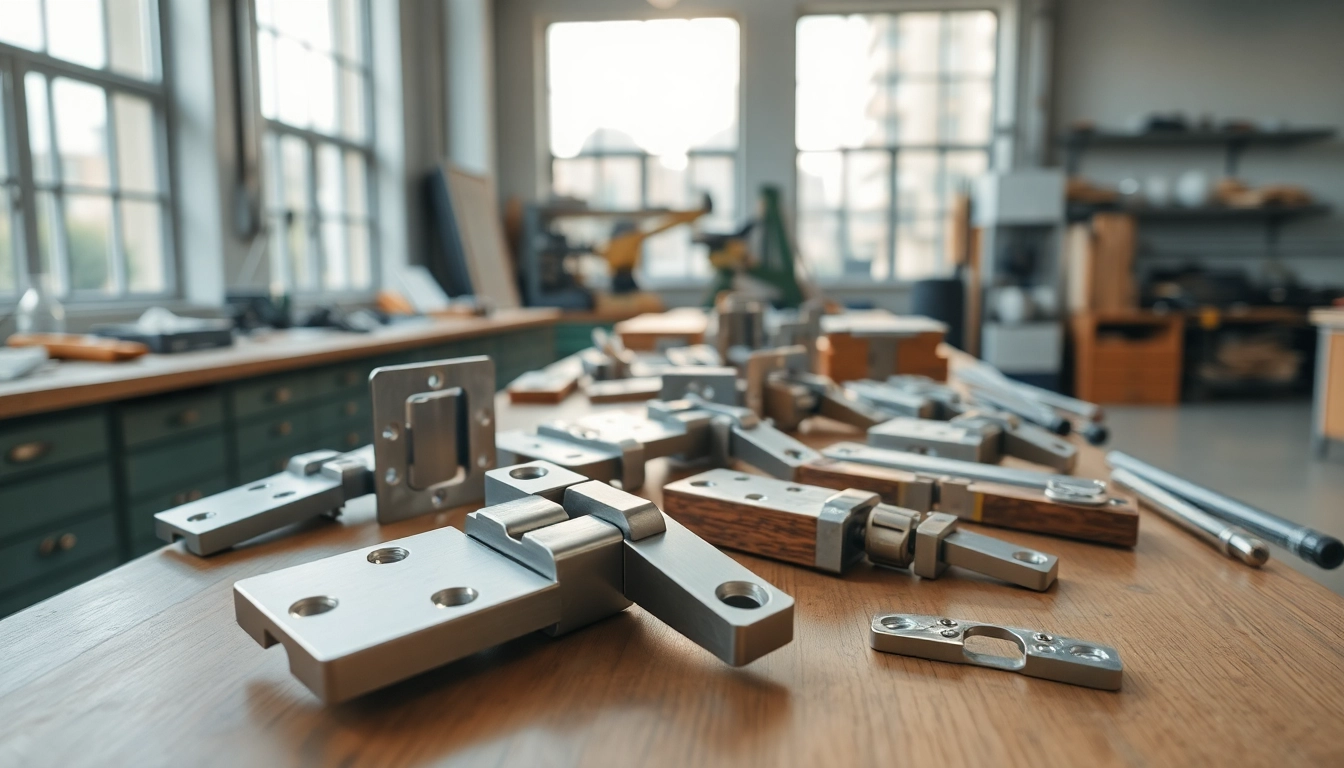
Understanding the Role of a Hinge Supplier
In the realm of construction, furniture design, automotive manufacturing, and countless other industries, the significance of hinges cannot be overstated. These small yet vital components are essential for functional movement in doors, lids, cabinets, and machinery. Understanding the role of a Hinge Supplier becomes crucial, especially when considering the myriad of hinge types and the specific requirements of various applications.
Key Functions of a Hinge Supplier
A Hinge Supplier plays a pivotal role in the supply chain, contributing to the success of numerous projects. Some key functions include:
- Providing a Diverse Range of Hinges: Suppliers must offer various hinge types, including butt hinges, continuous hinges, piano hinges, and others, tailored to different applications.
- Custom Manufacturing: Many projects require specific hinge designs or modifications. A reliable hinge supplier should provide custom solutions to meet these unique demands.
- Quality Assurance: Establishing quality control standards is essential. Suppliers should ensure that the hinges meet specific durability and performance metrics.
- Technical Support: A knowledgeable supplier can offer guidance in selecting suitable hinges based on application needs, materials, and weight capacities.
- After-Sales Service: Good suppliers maintain post-purchase support, facilitating additional orders and resolving issues quickly.
Types of Hinges and Their Applications
Hinges come in various configurations, each serving distinct purposes. Understanding these types helps in choosing the right one for specific applications:
- Butt Hinges: Commonly used in doors, these are durable and provide a strong pivot point.
- Continuous Hinges: Often used in high-traffic areas, they extend along the entire length of the door, providing even weight distribution.
- Piano Hinges: Ideal for applications requiring long, continuous pivot points, such as piano lids and large equipment covers.
- Spring Hinges: Incorporating a spring mechanism, these hinges are ideal for self-closing doors.
- Concealed Hinges: Often used in cabinetry, these hinges are hidden when the door is closed, providing a clean aesthetic.
Importance of Quality in Hinge Manufacturing
Quality in hinge manufacturing is paramount, influencing product longevity, performance, and safety. Factors impacting hinge quality include:
- Materials: High-quality materials, such as stainless steel or brass, ensure resistance to corrosion and wear.
- Manufacturing Processes: Advanced manufacturing techniques, including precision machining and stringent quality control protocols, enhance product quality.
- Testing Standards: Reliable suppliers conduct rigorous testing to ensure compliance with industry standards and performance metrics.
Factors to Consider When Selecting a Hinge Supplier
Choosing the right hinge supplier requires careful consideration of several factors to ensure a good fit for your project’s needs.
Assessing Product Range and Specialization
Evaluate the supplier’s product offerings and specialization. A broad range indicates that the supplier can accommodate various needs, from standard applications to custom designs. Suppliers with tailored expertise in specific industries may provide insightful recommendations based on project demands.
Evaluating Certifications and Standards
Check for necessary certifications, such as ISO 9001, which indicates adherence to quality management systems. Compliance with industry standards, such as ANSI/BHMA, also ensures that the products meet specific durability and reliability benchmarks.
Understanding Supply Chain Logistics
Effective logistics play a crucial role in timely deliveries and inventory management. Understand the supplier’s capabilities regarding lead times, shipping methods, and stock levels to ensure they can meet your project timelines. A supplier with robust logistics is better positioned to handle unexpected changes or restocks efficiently.
Cost Considerations in Choosing a Hinge Supplier
The cost of hinges and related supplies is a significant consideration in supplier selection. Proper budgeting requires looking beyond initial costs to understand what drives value.
Price vs. Quality: Finding the Balance
While price is a critical factor, balancing price with quality is essential. Lower-priced hinges may save money upfront but could lead to higher replacement costs if quality is compromised. Investing in high-quality hinges can yield long-term benefits, including reduced maintenance and enhanced functionality.
Understanding Hidden Costs
Hidden costs may include shipping fees, handling charges, and even potential installation costs due to poor-quality products. Assess all potential expenses before finalizing your supplier to ensure that the overall budget remains intact. Also, inquire about warranty and replacement policies as part of these considerations.
Negotiating Terms with Suppliers
Negotiation can lead to improved terms, especially for bulk purchases. Discuss payment terms, delivery schedules, and volume discounts with suppliers. Building a collaborative relationship can also lead to increased flexibility in future negotiations.
Establishing a Strong Relationship with Your Hinge Supplier
Beyond price and product quality, establishing a solid relationship with your supplier is vital for effective collaboration and project success.
Communicating Your Project Needs Effectively
Clear communication is essential in conveying all project specifications, timeline constraints, and performance expectations. Discussing these details openly allows the supplier to tailor their offerings to meet your specific requirements, ensuring a smoother process and more satisfactory outcomes.
Feedback and Quality Control
Providing feedback on the products received is crucial for maintaining quality control. Share both positive aspects and constructive criticism to foster improvements. Frequent dialogue creates a partnership atmosphere, encouraging suppliers to prioritize your business needs.
Long-Term Partnership Benefits
Establishing a long-term partnership with a reliable hinge supplier can lead to several advantages, including priority access to new products, favorable pricing, and tailored services. Over time, this relationship can yield enhanced collaboration and improved project outcomes through mutual understanding and trust.
FAQs
What should I look for when choosing a hinge supplier?
Look for expertise, quality standards, product variety, and customer service track records. Research their certifications and industry reputation.
How do I determine the right type of hinge for my project?
Consider factors like weight capacity, material compatibility, and movement needs specific to the application. Consult with your supplier for guidance.
Are there different price points for hinges?
Yes, prices vary based on material quality, design complexity, and manufacturing processes. Always balance cost and quality for best results.
Can I customize hinges for specific applications?
Many suppliers offer customization options based on your specific needs. Discuss your requirements upfront to explore available options.
How can I improve my relationship with my supplier?
Communicate openly about your needs, provide feedback, and build trust through timely payments and orders. Regular interaction fosters better outcomes.




More Stories
Effective Strategies of a Manhattan Construction Manager for Successful Projects
Expert Insights from a New Jersey Construction Manager on Effective Project Oversight
The Ultimate Twist Handle Ratchet Guide for 2025: Boost Your Efficiency