





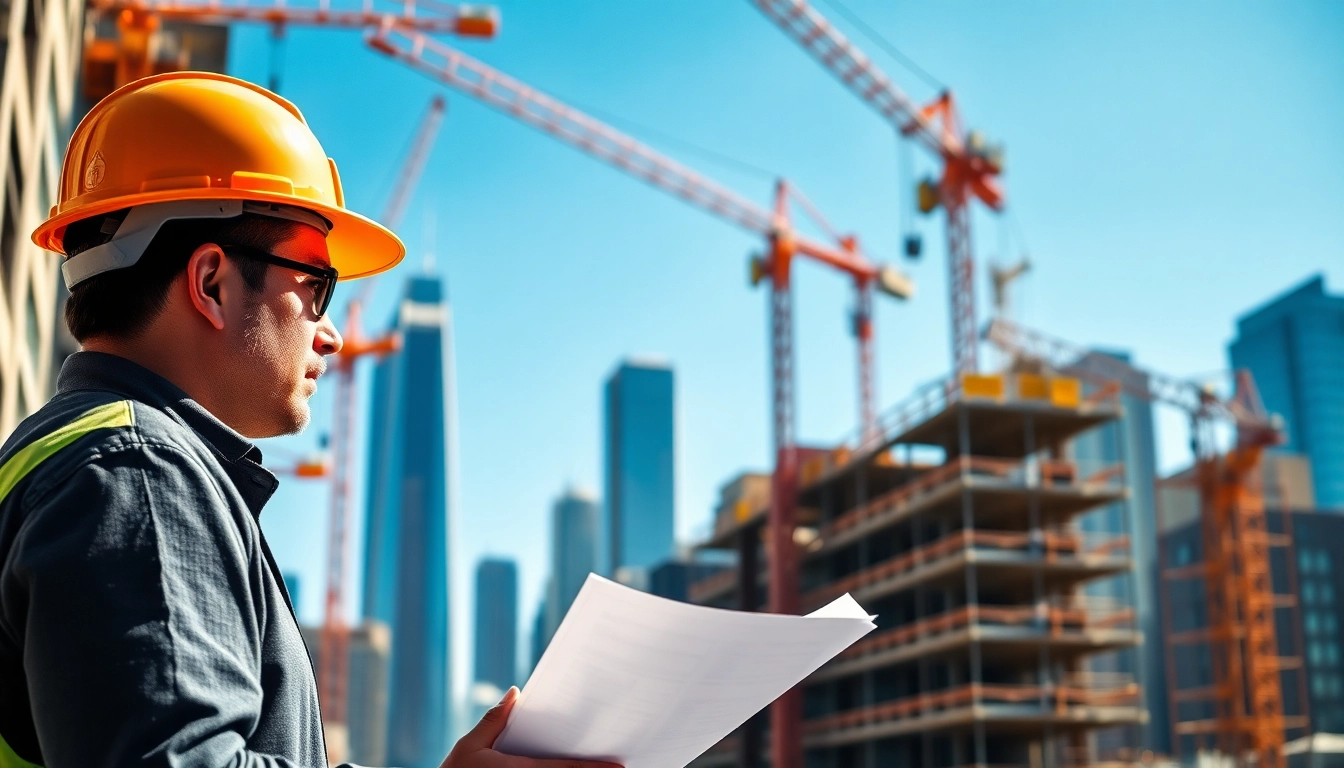
Understanding the Role of a Manhattan Construction Manager
The role of a Manhattan Construction Manager requires a multifaceted skill set and a strong grasp of various aspects of construction projects. These professionals are pivotal in navigating the complexities of construction in a bustling urban environment like Manhattan, where projects are often subject to stringent regulations and diverse stakeholder interests. This article provides an in-depth look at the essential responsibilities, skills, challenges, and future trends impacting Manhattan construction management.
Key Responsibilities in Construction Management
The responsibilities of a Manhattan Construction Manager extend beyond simply overseeing construction sites. They include:
- Project Planning and Scheduling: Developing a comprehensive project plan that outlines timelines, resources, and budgetary considerations.
- Budget Management: Ensuring that the project stays within budget by forecasting expenses, monitoring costs, and managing any financial risks that may arise.
- Quality Assurance: Establishing and maintaining the quality standards of the construction work, adhering to building codes and regulations.
- Safety Management: Implementing safety protocols to ensure the well-being of all personnel on the construction site.
- Reporting and Documentation: Keeping detailed records of the project’s progress and preparing reports for stakeholders.
The Importance of Project Planning
Project planning is critical in construction management, especially in a dynamic landscape like Manhattan. A thorough plan lays the groundwork for success by setting clear objectives, timelines, and budgets. Effective planning helps anticipate potential challenges, allowing managers to devise strategies for mitigating risks. By utilizing project management tools and techniques, construction managers can enhance their productivity and ensure project milestones are consistently met.
Collaboration with Stakeholders
Effective collaboration among stakeholders—including clients, architects, engineers, and contractors—is essential for successful project execution. A Manhattan Construction Manager must facilitate clear communication channels, ensuring all parties are aligned with project goals. Regular meetings and updates can help in addressing any concerns promptly and fostering a spirit of teamwork, which is crucial for maintaining project momentum.
Essential Skills for a Manhattan Construction Manager
To excel as a Manhattan Construction Manager, professionals need a mix of technical and interpersonal skills:
Technical Skills: Understanding Construction Processes
Technical expertise in construction materials, methods, and regulations is non-negotiable. A profound understanding of building codes, safety regulations, and construction technology is crucial for navigating the complexities of construction projects. It empowers managers to make informed decisions and solve problems swiftly as they arise on-site.
Leadership and Team Building
Leadership skills are vital for guiding teams and fostering a collaborative work environment. A successful Manhattan Construction Manager inspires and motivates team members, helping them understand their roles and the importance of working towards a common goal. Building a strong team culture that supports cooperation and accountability is essential for project success.
Effective Communication Strategies
Clear and effective communication can make or break a construction project. The ability to convey information succinctly to various stakeholders, from clients to subcontractors, facilitates a smoother workflow. Construction managers often employ various communication tools and methods, ensuring that every party remains informed about project developments and changes.
Challenges Faced by Manhattan Construction Managers
The role of a Manhattan Construction Manager comes with its fair share of challenges:
Dealing with Budget Constraints
Budget constraints are a common hurdle in construction projects. A Manhattan Construction Manager must adeptly manage financial resources while ensuring project quality and timelines are not compromised. This involves careful planning, risk assessment, and proactive problem solving to address unexpected expenses.
Navigating Regulatory Compliance
Manhattan’s construction environment is heavily regulated, with many building codes and zoning laws to comply with. Construction managers must stay updated with these regulations to ensure that projects meet legal requirements, thus avoiding costly delays or penalties. This often necessitates collaboration with legal experts and regulatory authorities.
Managing Time and Resources
Time management is critical for successful project completion. A Manhattan Construction Manager must efficiently allocate resources, schedule tasks, and mitigate delays caused by unforeseen circumstances such as weather conditions or labor issues. Proper time management ensures that projects are completed on schedule, thereby enhancing client satisfaction.
Best Practices for Project Management
Implementing best practices in project management can significantly enhance the outcomes of construction projects:
Implementing Agile Methodologies
Agile methodologies focus on flexibility and adaptability. By applying agile principles, construction managers can respond to changes more effectively, allowing for adjustments in project scope or design as needed. This iterative approach helps in accommodating stakeholder feedback, ultimately leading to a more successful project outcome.
Utilizing Construction Management Software
Construction management software streamlines various processes, including project scheduling, budgeting, and collaboration. These tools can significantly enhance efficiency by providing real-time data, enabling managers to make informed decisions swiftly. They also facilitate better communication within project teams and with stakeholders.
Ensuring Safety and Quality Control
Maintaining safety standards and quality control is paramount. Regular safety audits, training sessions, and quality assessments help minimize risks and ensure that construction outputs meet established standards. A culture of safety is fostered when managers prioritize both worker wellbeing and exceptional workmanship.
Future Trends in Construction Management
The construction industry is evolving, and various trends are shaping its future:
Emphasizing Sustainability in Projects
Sustainability is becoming increasingly important in construction management. Incorporating green building practices, utilizing renewable resources, and minimizing waste not only benefit the environment but can also enhance project appeal to eco-conscious clients. A Manhattan Construction Manager must be proactive in identifying and implementing sustainable options in their projects.
The Impact of Technology on Construction
Advancements in technology, including Building Information Modeling (BIM), drones, and 3D printing, are transforming construction management. These technologies improve accuracy, enhance collaboration, and facilitate more efficient project delivery. Keeping abreast of technological trends is essential for managers aiming to maintain competitiveness in a rapidly evolving landscape.
Skills for the Future Construction Workforce
The future workforce in construction will require a diverse skill set that includes technical know-how, digital literacy, and problem-solving abilities. As the industry continues to evolve, ensuring that construction teams are trained and well-versed in these areas is crucial for meeting future demands and challenges.
Frequently Asked Questions
What qualifications are needed to become a Manhattan Construction Manager?
Typically, a bachelor’s degree in construction management, civil engineering, or architecture is required. Additionally, relevant experience and certifications like PMP are beneficial.
What are the key responsibilities of a construction manager?
A construction manager oversees project planning, budgeting, scheduling, quality control, and safety management. They also coordinate with various stakeholders to ensure project success.
How can technology improve construction management?
Technology enhances project management efficiency through tools like construction management software, which offers real-time updates, better data analysis, and improved communication.
What challenges do construction managers face in urban environments?
Urban construction managers deal with stringent regulations, site space limitations, budget constraints, and often unpredictable weather conditions, impacting project timelines.
What is the future of construction management?
The future of construction management focuses on sustainability, advanced technology integration, and a skilled workforce capable of adapting to evolving industry needs.




More Stories
Expert Insights from a New Jersey Construction Manager on Effective Project Oversight
Choosing the Right Hinge Supplier for Your Project Needs
The Ultimate Twist Handle Ratchet Guide for 2025: Boost Your Efficiency