





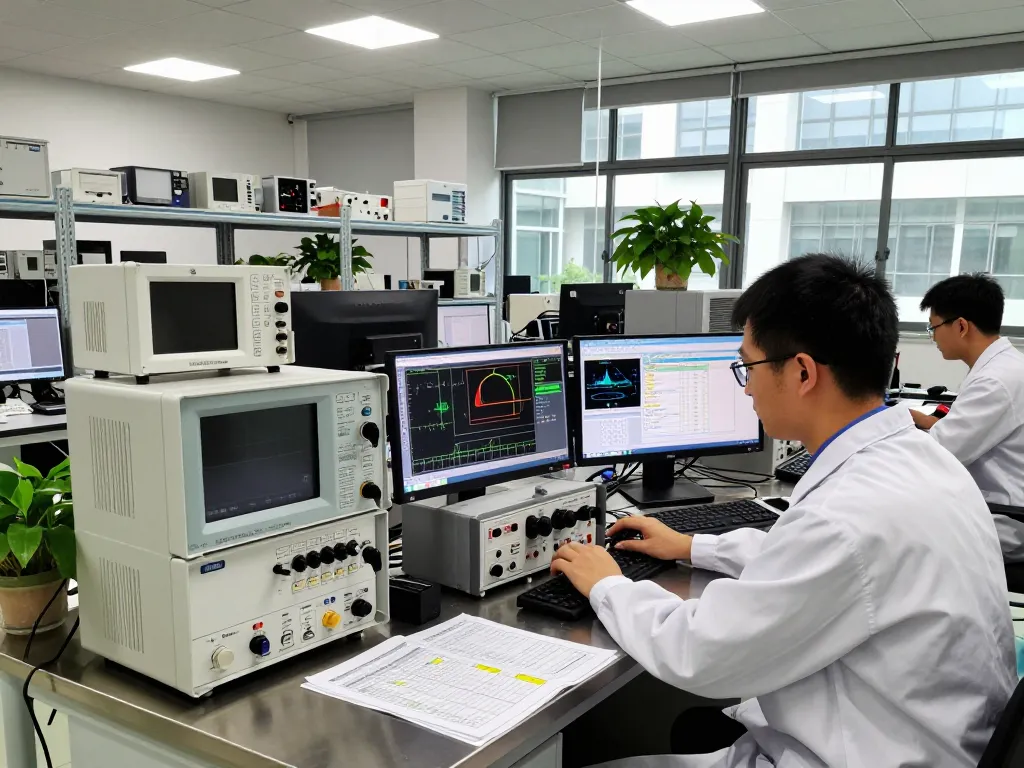
Understanding VSWR Measurement in EMC Testing
Voltage Standing Wave Ratio (VSWR) is a critical parameter in the evaluation of electromagnetic compatibility (EMC) for electrical devices, especially in the context of radio frequency (RF) testing. Understanding VSWR is essential not just for compliance but also for optimizing the performance of RF devices in various applications. When exploring options, and VSWR measurement. provides comprehensive insights into how adequately power is transmitted through a system and aids in identifying potential inefficiencies that could affect compliance.
What is VSWR and its Importance?
VSWR is defined as the ratio of the maximum to minimum voltage in a standing wave, which occurs due to the interference of forward and reflected waves in a transmission line. A perfect VSWR of 1.0 indicates that all power is transmitted to the load with no reflections. Conversely, higher VSWR values indicate increased reflection and inefficiency. Understanding VSWR is crucial in sectors ranging from telecommunications to automotive industries, as it impacts device performance, safety, and regulatory compliance.
How VSWR Relates to EMC Compliance
In EMC testing, VSWR is directly correlated with an equipment’s ability to operate without causing or experiencing interference. A high VSWR can signify impedance mismatches, which can lead to extra emissions or susceptibility to external noise. These issues can ultimately affect regulatory approval for devices. Compliance with standards such as FCC, ISED, CE, and ETSI is often contingent upon demonstrating acceptable VSWR levels. Thus, assessing and managing VSWR is foundational for manufacturers aiming for market readiness.
Common Misconceptions About VSWR Measurement
Many assume that a low VSWR automatically indicates efficient system performance; however, this is not always the case. The context in which a device operates, along with its load characteristics, play a critical role in determining the actual performance metrics. Additionally, some may believe that achieving a VSWR of 1.0 is always possible; while ideal, this is impractical in most real-world applications. A more realistic approach is to target a VSWR that meets the industry’s acceptable limits while balancing other operational criteria.
Step-by-Step Guide to Conducting VSWR Measurements
Essential Equipment for Accurate Measurement
To measure VSWR accurately, certain tools are essential. A Vector Network Analyzer (VNA) is typically the most effective tool for this purpose, as it can evaluate both forward and reflected power. Additionally, a directional coupler is often used to separate the forward and reflected signals for more precise measurements. Radiation measurement setups may also require specialized antennas depending on the application.
Preparation of the Testing Environment
Before conducting VSWR measurements, it is vital to prepare the testing environment. This involves ensuring that all connectors, cables, and devices are in good working order and calibrated according to specifications. Proper grounding and shielding can mitigate external interference during testing, ensuring that the results accurately reflect the device’s performance under normal operating conditions. A clean and controlled environment is always preferable to avoid unexpected variables that could affect the measurements.
Conducting the Measurement: A Practical Approach
Begin the measurement by connecting the VNA to the device under test via suitable cables and connectors to minimize loss. Following the manufacturer’s protocols, set up the VNA to measure the reflected power and forward power at the frequency of interest. Once configured, initiate the measurement and monitor the VSWR values displayed on the VNA. A systematic approach to testing at multiple frequencies can provide a comprehensive view of the device’s performance.
Analyzing VSWR Measurement Results
Interpreting VSWR Data for Compliance Standards
After the measurements are taken, data analysis is key. The resulting VSWR values should be compared against industry benchmarks and compliance standards relevant to the device category. Many standards organizations stipulate maximum allowable VSWR values; understanding and interpreting these reports accurately is essential for manufacturers aiming to ensure compliance and secure necessary certifications.
Identifying Potential Issues from VSWR Reports
VSWR reports may indicate several potential issues such as mismatched impedances between the transmission line and the load. Analyzing the data can reveal patterns or spikes in VSWR at certain frequencies, indicating specific areas for improvement. For example, if the VSWR significantly increases at specific frequency bands, this could suggest the need for impedance matching or redesign of the circuitry.
Making Design Adjustments Based on Findings
Implementing changes based on VSWR findings is crucial for achieving better performance. This may involve adjusting the impedance of the load, changing transmission line configurations, or modifying the device’s overall design. Retesting after each significant modification helps assess the impact of adjustments, moving the design closer to optimal performance and regulatory compliance.
Enhancing Performance Through Advanced Testing Techniques
Integrating Modern Technology in VSWR Measurement
Modern testing techniques have opened up new avenues for refining VSWR measurement accuracy. Techniques such as time-domain reflectometry (TDR) and advanced software algorithms for data analysis enhance the reliability of measurements. Moreover, integrating machine learning algorithms can improve predictive maintenance, enabling testers to anticipate issues before they affect performance.
Best Practices for Consistent Testing Results
To ensure consistency in VSWR testing results, adhere to best practices such as frequent calibration of measurement devices, maintaining controlled environmental conditions, and following standardized testing protocols. Implementing a robust quality control system can also help in tracking the performance of devices over time, ensuring all products meet compliance requirements before reaching the market.
Case Studies of Successful EMC Compliance Innovations
Numerous industries have successfully leveraged VSWR measurement to innovate in product development. For instance, a telecommunications manufacturer identified critical VSWR issues in their antenna systems, which led to redesigns resulting in significant performance increases and compliance with newer FCC standards. Documenting these instances can provide valuable insights for future improvements in EMC compliance strategies.
Future Trends in VSWR Measurement Practices
Emerging Technologies Impacting RF Compliance Testing
Emerging technologies such as IoT and 5G are significantly influencing RF compliance testing methods. The complexity of these systems, which involve multiple interconnected devices, necessitates a more nuanced approach to VSWR measurement that accounts for dynamic loading conditions. Moreover, the evolution of materials science is creating more efficient components that can reduce VSWR, promoting compliance and better device performance.
Predictions for Regulatory Changes by 2026
Regulatory changes are expected to keep pace with technological advancements. By 2026, manufacturers should prepare for stricter compliance guidelines that address the growing interference challenges posed by densely packed RF environments. Understanding these evolving standards will be crucial for ensuring ongoing compliance.
Preparing for the Next Generation of EMC Challenges
The constant progression in technology requires manufacturers to be proactive in their approach to EMC challenges. Continuous education, coupled with agile design processes, will allow for the seamless integration of compliance measures as new devices and technologies emerge. Companies must anticipate regulatory shifts and adjust their protocols accordingly to maintain their competitive edge.
What are the costs associated with VSWR testing?
Cost factors for VSWR testing can vary significantly based on the complexity of the device, the necessary equipment, and the testing environment. Budget considerations should include equipment acquisition, setup time, labor, and potential retesting costs based on findings. Investing in quality testing upfront can save substantial costs in certifications and product redesigns later on.
How can I measure VSWR accurately with available tools?
To achieve accurate VSWR measurements, use a calibrated VNA and ensure that all connections are secure. Familiarity with the measurement environment and proper calibration before each test is key. Always refer to technical manuals for device-specific instructions to minimize errors.
What role does VSWR play in overall product performance?
VSWR plays a pivotal role in ensuring that devices operate efficiently, as high VSWR values can lead to power loss and overheating. For manufacturers, maintaining optimal VSWR is fundamental to achieving product reliability and longevity, crucial factors for customer satisfaction and market competitiveness.
Are there any industry standards for acceptable VSWR levels?
Yes, different industries have established their own acceptable VSWR levels, which can vary significantly. Typically, a VSWR below 2:1 is considered acceptable for many RF applications; however, specific standards may tighten these limits depending on the critical nature of the application.
How frequently should VSWR measurements be conducted?
The frequency of VSWR measurements can depend on the application and the regulatory environment. Generally, measurements should be conducted at key stages of product development, such as prototyping, pre-production, and when significant modifications are made to design or components. Regular monitoring can also help identify potential issues before they escalate.




More Stories
Discover GB WhatsApp: Enhanced Features for 2026 Users
Expert Guide to Efficiently Accessing rm1.to Login in 2026
Effective Strategies to Optimize Your WPS Office Experience in 2026