





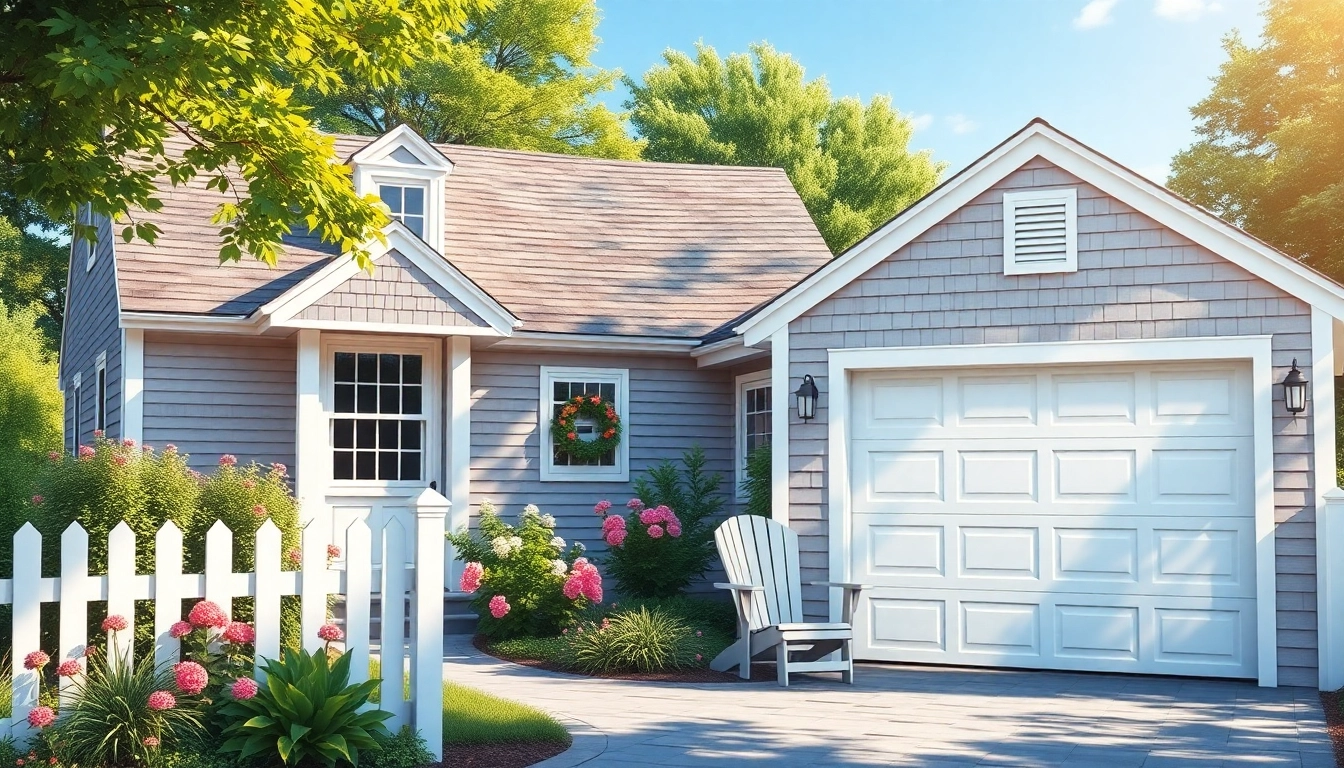
Introduction to Cape Cod Homes
Cape Cod homes are synonymous with charm and timeless design, embodying a unique architectural style that harks back to the earliest days of American colonial life. Characterized by their steep roofs, symmetrical facades, and dormer windows, these homes have stood the test of time and continue to inspire modern interpretations. Their appeal lies not only in their aesthetic but in their blend of practicality and comfort, making them perfect for both year-round and vacation living. If you are considering an expansion or renovation of your home, especially one reminiscent of cape cod homes, it’s essential to understand what sets these architectural jewels apart.
What Defines Cape Cod Architecture?
At its core, Cape Cod architecture is marked by several distinctive features that reflect the functionality and aesthetic sensibilities of early New England settlers. A defining component is the pitched roof, designed to efficiently shed snow and rain while maximizing living space in the upper floors. The exterior is typically clad in wooden shingles, either painted in muted tones or left to weather naturally, allowing the homes to blend seamlessly with their surroundings.
Additionally, windows are typically multi-paned with shutters, enhancing both visual interest and historical authenticity. Often, these homes feature symmetrical facades, providing a balanced and pleasing appearance. Inside, you’ll find an open floor plan that emphasizes connection and flow, making Cape Cod homes versatile for families and social gatherings alike.
Historical Significance of Cape Cod Homes
The architectural style of Cape Cod homes can be traced back to the 1600s when English settlers sought to create structures that could withstand the harsh New England weather. Originally, these homes were simple in design—one or two stories, with interiors focused on functionality. As the years progressed, the style evolved; the introduction of the Federal style in the late 18th century brought elaborate details like decorative moldings and porticos.
Today, Cape Cod homes also represent a significant part of American history, encapsulating the essence of a fledgling nation’s resilience and ingenuity. Therefore, owning a Cape Cod home is not just about ownership; it’s about stewardship of a vital piece of architectural heritage.
Modern Trends in Cape Cod Home Design
While the traditional aesthetics of Cape Cod homes remain popular, many homeowners now incorporate modern elements to suit contemporary lifestyles. Features such as open-concept layouts, energy-efficient windows, and the integration of smart home technology show a clear shift towards practicality without sacrificing classic charm. Sustainable materials are also on the rise, reflecting a growing emphasis on eco-friendly living.
Interior design trends now embrace a lighter palette, with airy spaces and coastal themes being predominant. Homeowners may opt for reclaimed wood accents, shiplap walls, and large, well-lit kitchens that invite social interaction. These modern takes on Cape Cod homes ensure that while the exterior may reflect history, the interior can meet the demands of modern life.
Key Features of Cape Cod Homes
Exterior Elements: Siding and Parking
The exterior of Cape Cod homes features distinct elements that not only provide aesthetic appeal but also serve practical purposes. Traditional siding made of wood shingles is prevalent, offering durability against the weather. Homeowners can choose between stained or painted finishes, with white being the most popular due to its clean, coastal look.
Parking is another important consideration. Many Cape Cod homes incorporate attached garages or carports that complement the house’s design. It’s essential to ensure that the garage spaces are not merely functional but also blend seamlessly with the architectural style, maintaining the visual integrity of the home.
Interior Design: Emphasizing Comfort and Style
Inside a Cape Cod home, the design often prioritizes comfort and practicality. Open floor plans allow for an easy flow between living spaces, which is ideal for family interaction and gatherings. The use of natural materials throughout, such as hardwood floors and stone countertops, reinforces both elegance and durability.
Color schemes typically lean towards muted tones inspired by coastal landscapes, incorporating shades of blue, green, and sandy beige. Coastal decor, such as seashell accents or nautical motifs, further enhances the home’s charm, creating a relaxed yet stylish environment.
Landscaping Ideas for Cape Cod Properties
The landscaping surrounding Cape Cod homes often mirrors the natural beauty of their location, with native plants designed to thrive in coastal conditions. Low-maintenance gardens, incorporating drought-resistant species, are a popular choice as they require less water and upkeep. Hydrangeas, beach grass, and ornamental grasses can create a serene landscape, serving both aesthetic and functional purposes.
Additionally, outdoor living spaces such as patios and porches provide an inviting area for relaxation and socialization, often enhanced with comfortable seating and dining arrangements. Selecting outdoor materials that withstand local weather conditions while complementing the home’s exterior is crucial for lasting beauty and function.
Planning Your Cape Cod Home Expansion
Assessing Needs for Space and Functionality
Understanding the need for space and functionality is the first step in planning an expansion. Whether you require a larger living area, additional bedrooms, or enhanced outdoor spaces, clear objectives will guide the design process. Consider how each space will be used and what furniture or features are necessary for your lifestyle.
A comprehensive needs assessment can reveal opportunities for improving not just space but the overall flow and efficiency of your home.
Permitting and Regulatory Considerations
Expanding a home requires navigating a series of local regulations and permits, which can significantly impact your timeline and budget. Zoning laws, building codes, and environmental regulations will dictate what you can and cannot do with your property. Researching these requirements early in the planning phase is essential to avoid delays.
Engaging a professional familiar with local regulations can streamline the process, ensuring that your expansion complies with all necessary guidelines and is built to withstand the test of time.
Working with Architects and Contractors
Collaborating with experienced architects and contractors is vital for a successful home expansion. Architects can help translate your vision into workable plans, prioritizing both functionality and aesthetic appeal. It is essential to select a contractor who has experience with Cape Cod homes to ensure they understand the unique nuances of this architectural style.
Regular communication and thorough planning with both parties will help ensure that the project stays on track, adheres to budget constraints, and meets your expectations.
Cost Considerations for Expanding Cape Cod Homes
Budgeting for Additions and Renovations
When planning an expansion, one of the chief considerations is budgeting. A comprehensive budget should account for all aspects of the project, from permits and materials to labor costs and unforeseen expenses. It’s wise to set aside a contingency budget of about 10-15% to cover any unexpected issues that might arise during construction.
Additionally, obtaining multiple quotes from contractors can provide clarity on pricing and help you find the best value for your project needs.
Sourcing Materials and Labor
Choosing the right materials is crucial in maintaining the integrity and style of Cape Cod homes. Aim for quality products that match the traditional aesthetic while being durable and low maintenance. Local suppliers can often provide materials that are both environmentally friendly and in line with the home’s original design.
Labor costs can vary significantly, so it’s essential to compare estimates between different contractors. Building relationships with local tradespeople can also lead to better pricing and services.
Average Costs: Understanding Market Trends
Understanding the average costs associated with home expansions can offer insight into what to expect as you embark on your project. Costs can vary based on location, design complexity, and materials chosen. Typically, expansions may range from $100 to $200 per square foot, depending on the scope of work and whether high-end finishes are used.
Monitoring market trends can also provide insights into construction costs, which may fluctuate based on supply chain demands and regional economic conditions.
FAQs About Cape Cod Homes Expansion
What are the common architectural styles of Cape Cod homes?
Common styles include traditional Cape Cod, Colonial Revival, and modern interpretations that incorporate contemporary designs while maintaining classic features, such as pitched roofs and shingle exteriors.
How can I increase storage in my Cape Cod home?
Consider utilizing built-in cabinetry, converting attics into functional spaces, or incorporating multi-functional furniture. Creative use of under-stair spaces and outdoor storage can also add functionality.
What permits do I need for expansion?
Depending on your location, you may need building permits, zoning permits, and approvals from historical commissions or neighborhood associations. Consult with local authorities before starting work.
Are there specific materials recommended for renovations?
It is recommended to use weather-resistant materials such as cedar shingles or fiber cement siding, along with energy-efficient windows and sustainable products that align with Cape Cod’s coastal environment.
What landscaping fits well with Cape Cod homes?
Opt for native plants, such as beach grass and hydrangeas, that require minimal upkeep. Stone paths and outdoor communal areas can enhance the natural beauty and usability of the space.




More Stories
Transform Your Space with Elegant Showers au for a Luxurious Retreat
Die Vorteile der sonni Duschkabine für Ihr Badezimmer
Effective Spray Foam Removal Portsmouth: Your Comprehensive Guide to Safe and Efficient Techniques