




1. Understanding Window Tinting
1.1 What Is Auto Window Tint?
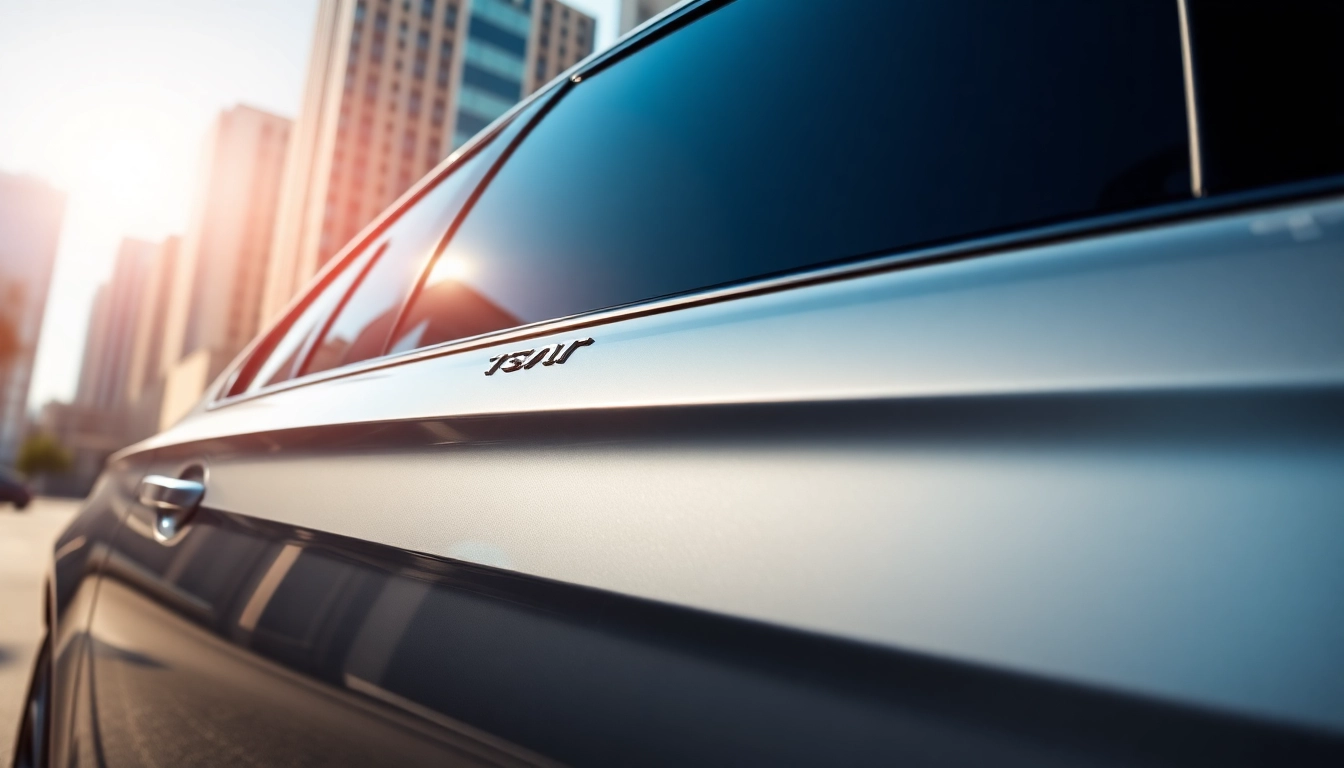
Auto window tint is a thin film that is applied to the windows of vehicles to reduce glare, improve aesthetics, and enhance privacy. It functions by absorbing or reflecting sunlight, thus preventing harmful UV rays from penetrating the vehicle’s interior. By incorporating window tint, car owners can create a comfortable and safe driving environment while protecting their vehicle’s interior from sun damage.
1.2 Types of Window Tinting Film
There are several types of window tinting films available on the market, each with its unique properties and benefits:
- Dyed Window Film: This is one of the most common types, consisting of a layer of dye that absorbs solar heat. It effectively reduces glare but offers less UV protection than other types.
- Metalized Window Film: This film contains tiny metallic particles that reflect heat and UV rays. It provides better insulation and durability compared to dyed films but may interfere with electronic signals.
- Ceramic Window Film: Known for its premium features, ceramic tint offers high UV protection, heat rejection, and clarity without interference with electronic devices. It is also less prone to discoloration over time.
- Crystalline Window Film: This type employs multiple layers of film to provide UV protection and heat rejection while allowing a significant amount of visible light to pass through, keeping the interior bright.
1.3 Benefits of Tinting Your Car Windows
Tinting your car windows offers a multitude of advantages:
- Heat Rejection: High-quality tints can significantly decrease the amount of heat entering the vehicle, making it cooler and reducing the reliance on air conditioning.
- UV Protection: Most window tints block up to 99% of harmful UV rays, protecting passengers from skin damage and preventing interior fading.
- Increased Privacy: Tinted windows reduce visibility from the outside, enhancing privacy for you and your belongings.
- Enhanced Aesthetics: Window tinting can improve the overall appearance of your vehicle, giving it a sleek and polished look.
- Glare Reduction: Tints help decrease glare from the sun and headlights, enhancing driving safety during day or night.
2. How to Choose the Right Auto Window Tint Near Me
2.1 Factors to Consider When Selecting Tint
When searching for auto window tint near me, several factors should be evaluated:
- Visible Light Transmission (VLT): This measures how much light can pass through the tint. Depending on your preferences and local laws, you might need to balance privacy and visibility.
- UV Protection: Look for films with high UV protection ratings to ensure maximum safety for you and your vehicle interior.
- Warranty: Reliable films often come with a warranty, which can provide peace of mind regarding durability and performance.
- Cost: Evaluate your budget but keep in mind that investing in quality tint can offer long-term benefits.
- Aesthetics: Select a tint that complements your vehicle’s color scheme and design.
2.2 Understanding Local Regulations for Window Tinting
Before applying window tint, it’s critical to understand local laws and regulations, which can vary significantly by state or city. Most jurisdictions have restrictions on the percentage of light that must pass through various windows on your vehicle. Failing to adhere to these regulations can result in fines or necessitate costly removal of the tint. Research your local laws and consult with professionals to ensure compliance.
2.3 Researching Tinting Providers in Your Area
Finding a reputable tinting provider is crucial. Look for reviews and testimonials from previous clients, check their portfolio of work, and gauge their expertise. It’s advisable to consult with multiple providers to compare services, costs, and the quality of films offered. Engaging with local automotive forums or social media groups can also provide referrals and insights.
3. The Tinting Process: What to Expect
3.1 Preparation and Cleaning of the Car Windows
The initial step in the window tinting process involves meticulous cleaning of the windows. Any dirt, grime, or residue can lead to air bubbles or imperfections in the film. It’s essential to use a suitable glass cleaner and lint-free cloth to achieve a spotless surface. The technician must also check for any existing damage, such as scratches or chips, which could affect the adherence of the film.
3.2 Applying the Window Tint Film
After the windows are cleaned and prepared, the film is carefully cut to the dimensions of each window. The application may vary depending on the type of film and the professional’s technique. Typically, a solution is applied to the window to allow the technician to reposition the film as needed during the installation. The film is then applied, ensuring there are no bubbles or creases.
3.3 Curing Process and Final Touches
Once applied, the tint requires a curing process, during which the adhesive fully adheres to the glass. This can take anywhere from a few days to a couple of weeks, depending on the climate and type of film used. During this period, it’s advisable to avoid rolling down the windows or washing the vehicle. After curing, the technician will trim any excess film and inspect the installation for quality assurance.
4. Maintaining Your Auto Window Tint
4.1 Cleaning Tips for Window Tint
To preserve the longevity and appearance of your window tint, proper cleaning is essential. Use a gentle cleaner that is ammonia-free, as ammonia can degrade the tint. Soft microfiber cloths are also recommended to avoid scratching the film. Regular maintenance includes wiping down the windows to remove dust and smudges without harming the tint.
4.2 Common Issues to Watch Out For
While window tint is durable, it can experience some common issues, such as bubbling, peeling, or discoloration. These issues can arise from improper installation, low-quality film, or exposure to harsh conditions. If you encounter any of these problems, consult with a professional installer who can assess the situation and offer solutions.
4.3 Longevity and Warranty Considerations
The lifespan of window tint can vary based on the type of film and environmental factors but generally lasts between five to ten years. High-quality films often come with warranties that cover peeling or fading. It’s vital to check the terms and ensure that proper care is taken to maintain the validity of the warranty.
5. Frequently Asked Questions About Auto Window Tint Near Me
5.1 How long does window tint last?
Typically, window tint lasts between five to ten years, depending on the type of film used and maintenance practices.
5.2 Does tinted film affect nighttime driving?
In general, good-quality tints won’t significantly impact nighttime visibility unless they are too dark. Always check local regulations for VLT standards.
5.3 Can I remove window tint myself?
While it’s possible, DIY removal can lead to damage to the glass or residue left behind. Hiring a professional is recommended for clean removal.
5.4 Is ceramic tint better than traditional tint?
Ceramic tint provides superior UV protection, heat rejection, and clarity, making it a premium choice over traditional options.
5.5 Are there warranties for auto window tint?
Yes, many window films come with warranties covering defects in materials and workmanship, typically ranging from five to lifetime coverage.




More Stories
Stop Doing This with reg check UK — Here’s Why You Need Accurate Reports in 2026
5 Essential Rules for Reg Check UK Success in 2026
Top 10 Innovative Vehicles Enhancing Your Daily Commute