





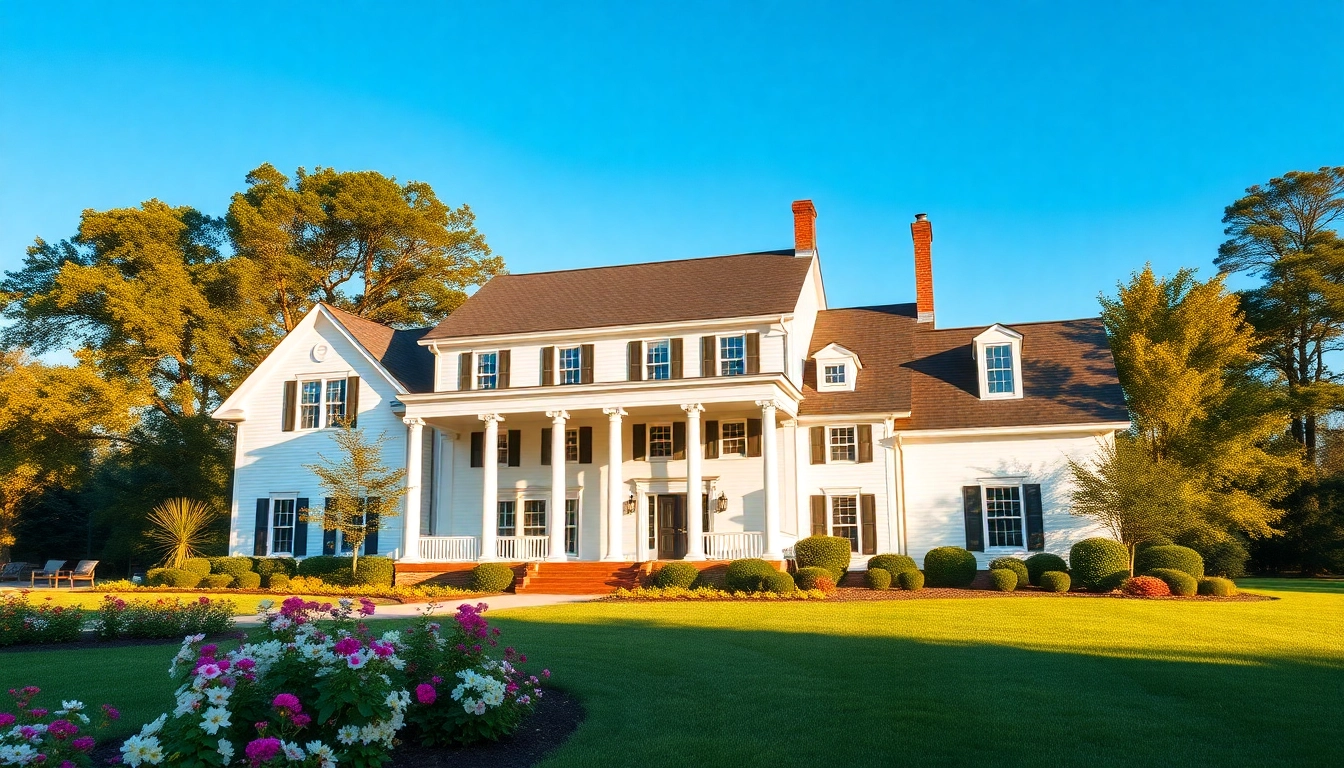
Understanding Colonial Home Construction Essentials
Colonial home construction is not merely about the aesthetic appeal of symmetry and tradition; it embodies a deep historical significance and a craftsmanship legacy that resonates across generations. This architectural style is characterized by its classic detailing, which mirrors the values and cultural attributes of early American society. For those considering a home reflective of this rich heritage, it’s crucial to grasp the essentials of colonial home construction. With informed decisions, you can create a beautiful and authentic representation of colonial architecture, ensuring your home remains true to its roots while meeting modern living demands. If you’re looking to delve deeper into this subject, particularly regarding techniques and materials, you’ll find invaluable insights within this guide, especially related to colonial home construction.
Historical Background of Colonial Architecture
The origins of colonial architecture can be traced back to the 17th and 18th centuries when European settlers brought their architectural ideals to America. This style evolved from various European influences, including Dutch, French, and Spanish, resulting in unique combinations that characterize different regions. The English colonial home, for example, often featured a steep gabled roof and symmetrical façade, representing the values of order and stability. As the colonies grew, so did the architectural diversity, giving rise to variations such as Georgian and Federal styles, each reflecting the local environment and culture. Understanding these historical contexts is not only fascinating but essential in appreciating the evolution and craftsmanship involved in colonial home construction.
Key Characteristics of Colonial Homes
Colonial homes showcase distinctive characteristics that set them apart from other architectural styles. Key elements include:
- Symmetry: Colonial homes typically feature balanced proportions, with windows and doors aligned evenly on either side of a central entrance.
- Gabled Roofs: A peaked roof is a common feature, often adorned with dormers to enhance natural lighting.
- Central Chimneys: Many colonial homes have a prominent chimney at the center, reflecting the need for efficient heating in the colder months.
- Classical Detailing: Elements such as decorative moldings, columns, and pediments highlight the importance of craftsmanship.
- Materials: Colonial homes often utilize natural materials like wood, brick, and stone, contributing to their enduring presence and timeless appeal.
These defining traits not only embody a sense of history and nostalgia but also provide a blueprint for achieving architectural authenticity in contemporary constructions.
Benefits of Choosing Colonial Home Construction
Opting for colonial home construction comes with numerous advantages:
- Timeless Appeal: Colonial styles remain perpetually in vogue, ensuring your home maintains aesthetic appeal over time.
- Energy Efficiency: With proper insulation and materials, colonial homes can efficiently retain heat, thereby reducing energy costs.
- Resale Value: Homes constructed in this style often command higher resale values due to their established popularity.
- Customization: This architectural style allows for a wide range of customization while keeping the essential features intact, aiding personal expression.
- Cultural Heritage: Building in this style can foster a connection to local history and heritage, contributing to community aesthetics.
Material Selection for Colonial Home Construction
Recommended Materials for Authenticity
To truly capture the essence of colonial architecture, selecting the right materials is vital. Traditional materials like wood siding, brick, and stone lend authenticity to colonial homes. Wood is often used for framing and external siding, while brick or stone offers durability and classic appeal. Using these materials not only enriches the aesthetic but also ensures structural integrity over the years, especially in diverse climates.
Cost-Effective Alternatives to Traditional Materials
While authentic materials are ideal, there are cost-effective alternatives that can still provide the desired colonial aesthetic. For instance, composite siding mimics the look of wood without the heavy maintenance costs. Additionally, fiber cement siding offers durability and can be painted to match traditional color palettes, ensuring that cost does not compromise authenticity. Exploring these alternatives can help homeowners achieve their dream colonial home without exceeding budgets.
Sustainability in Colonial Home Construction Materials
Incorporating sustainability into colonial home construction not only contributes to environmental conservation but also enhances long-term home value. Reclaimed wood, for instance, can serve as a beautiful and eco-friendly siding option. Moreover, using energy-efficient insulation and sustainable masonry can minimize your carbon footprint while maintaining the authentic appearance of a colonial home.
Design Principles in Colonial Home Construction
Color Schemes and Exterior Features
When designing a colonial home, color choices play an essential role in reflecting its character. Traditional colonial homes often feature muted, earth-toned colors, such as creams, browns, and greens. These colors harmonize with the natural surroundings and uphold the style’s historic essence. Essential exterior features include shuttered windows and decorative moldings, both of which add a refined touch to the facade.
Interior Layouts and Flow
The interior of colonial homes is typically characterized by formal layouts that emphasize flow and symmetry. A central hallway often serves as a signature feature, allowing seamless movement between rooms. The living spaces are generally spacious, with defined areas for cooking, dining, and relaxation, promoting family interactions while accommodating large gatherings.
Landscaping to Complement Colonial Homes
Thoughtful landscaping enhances the beauty of colonial homes. Classic landscaping principles involve symmetrical garden layouts and the use of native plants that complement the home’s architecture. Elements such as white picket fences and mature shade trees contribute to the timeless charm and provide a welcoming environment.
Construction Techniques for Colonial Homes
Traditional Building Methods vs. Modern Techniques
Colonial home construction draws from both traditional methods, such as post-and-beam framing, and modern building techniques. While traditional techniques emphasize craftsmanship and durability, modern methods often incorporate innovations such as prefabrication and advanced insulation technologies. Combining the best of both worlds can ensure a colonial home that remains authentic while benefiting from contemporary efficiency and safety standards.
How to Ensure Structural Integrity
Ensuring structural integrity is pivotal in colonial home construction. Employing quality materials, engaging skilled contractors, and adhering to building codes can mitigate risks. Regular inspections during and after construction also play a crucial role in guaranteeing safety and longevity. Homeowners should prioritize obtaining warranties for essential structural elements to safeguard against future issues.
Project Management Tips for Home Builders
Effective project management is vital for successful colonial home construction. Home builders should establish a clear timeline, set a realistic budget, and communicate regularly with contractors to avoid any misunderstandings. It’s also beneficial to source materials in advance to prevent delays. Planning for contingencies and potential weather impacts ensures that the project stays on track without compromising quality.
Common Challenges in Colonial Home Construction
Navigating Local Building Codes and Regulations
Building codes and regulations can pose challenges during the construction of a colonial home. Local codes often dictate materials, height restrictions, and environmental considerations. Homeowners should familiarize themselves with local regulations early in the process and consult with architects or builders who possess the necessary expertise to navigate these requirements smoothly.
Budgeting for Colonial Home Construction
Budgeting is one of the most critical aspects of any home construction project, including colonial homes. Homeowners should account for all associated costs, including land acquisition, materials, labor, permits, and interior furnishings. Setting aside a contingency fund for unexpected expenses can help minimize stress during the construction process.
Maintaining Authenticity During Renovations
Renovating a colonial home while maintaining its authenticity can be challenging. Homeowners must balance modern upgrades with the original architectural features that define colonial style. Employing skilled contractors who specialize in historical renovations ensures that the home remains true to its roots while accommodating contemporary needs.
Frequently Asked Questions
What defines a colonial home? Colonial homes are characterized by symmetry, gabled roofs, and classic detailing, representing early American architecture.
How can I choose materials for colonial construction? Opt for traditional materials like wood siding and brick, but also consider sustainable alternatives to reduce environmental impact.
What is the typical cost of colonial home construction? Costs vary based on design, materials, and location, so it’s essential to create a detailed budget tailored to your preferences.
Can I modernize a colonial home design? Yes, you can subtly modernize a colonial home while preserving its essential features, focusing on efficiency and comfort.
What landscaping goes well with colonial homes? Classic landscaping includes symmetrical garden layouts with native plants, white picket fences, and large shade trees to enhance its charm.




More Stories
Transform Your Space with Elegant Showers au for a Luxurious Retreat
Die Vorteile der sonni Duschkabine für Ihr Badezimmer
Effective Spray Foam Removal Portsmouth: Your Comprehensive Guide to Safe and Efficient Techniques