




Understanding the Role of a New York City Commercial General Contractor
Definition and Functions
A New York City Commercial General Contractor plays a pivotal role in the construction and development of various commercial projects. These contractors are responsible for overseeing the entire construction process, ensuring that projects are completed on time, within budget, and according to specified quality standards. Their functions often include managing subcontractors, scheduling, budgeting, and ensuring compliance with safety regulations.
Key Responsibilities
The responsibilities of a New York City Commercial General Contractor extend beyond mere oversight. They include but are not limited to:
- Coordinating and supervising all phases of construction
- Managing the project budget, timelines, and logistics
- Hiring and managing subcontractors
- Conducting quality control inspections
- Ensuring compliance with local building codes and regulations
- Liaising with architects, engineers, and clients
Importance in Urban Projects
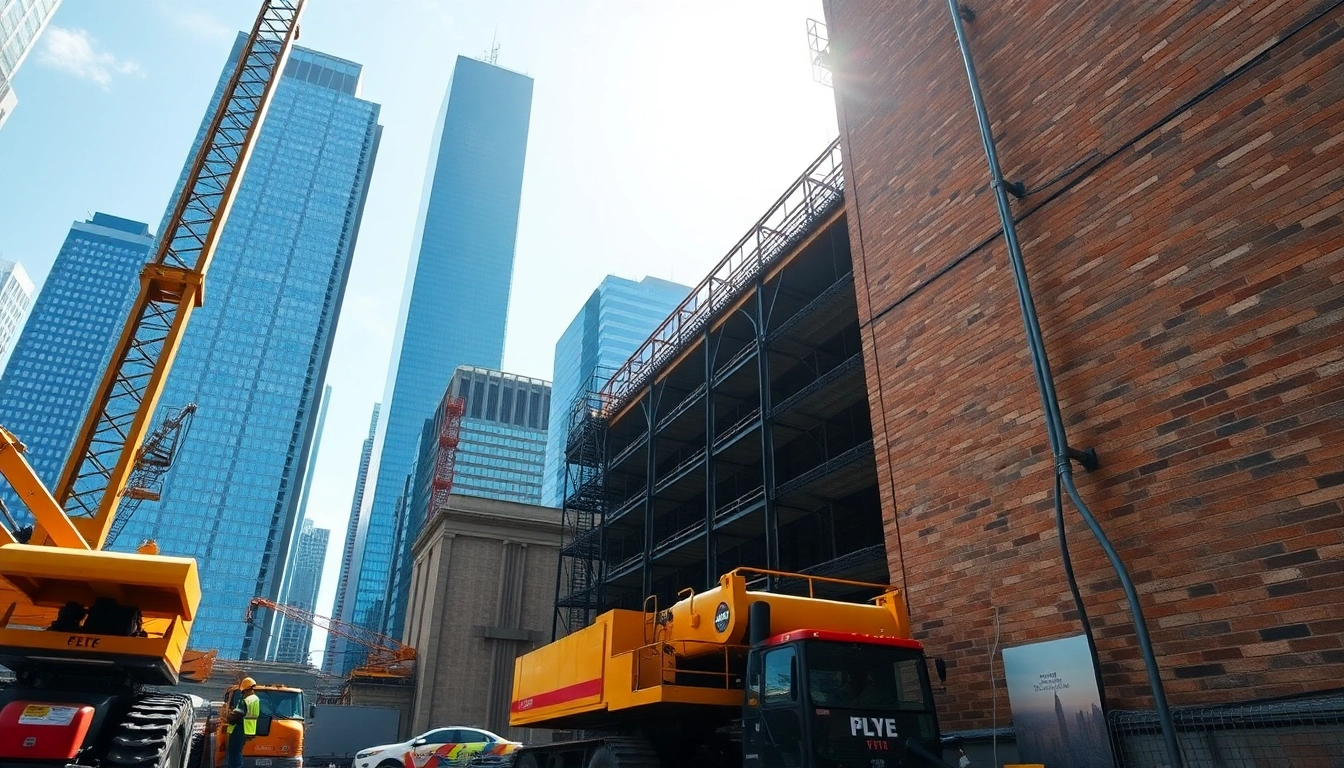
Urban projects in New York City often face unique challenges due to dense populations, limited space, and complex regulations. A competent New York City Commercial General Contractor is essential for navigating these challenges. They ensure that all stakeholders are informed and that the project adheres to local zoning laws. Their expertise helps mitigate risks and facilitates innovative solutions in a rapidly evolving urban environment.
Choosing the Right New York City Commercial General Contractor
Criteria for Selection
Selecting the right New York City Commercial General Contractor is crucial for the success of any construction project. Key criteria include experience in similar projects, knowledge of local regulations, and a proven track record of delivering projects on time and within budget. It is also important to assess their management style and ensure it aligns with your project needs.
Evaluating Experience and Portfolio
When evaluating potential contractors, reviewing their portfolio is essential. Look for completed projects that match your specific requirements and size. Pay attention to details such as the complexity of the projects, the methodologies used, and innovative practices implemented. A contractor’s experience can often be the deciding factor in how effectively they can complete your project.
Client Testimonials and References
Client testimonials provide valuable insights into a contractor’s reliability and performance. Always ask for references and make a point to contact past clients to discuss their experiences. Inquire about the contractor’s ability to meet deadlines, manage budgets, and handle unforeseen issues. This research can help confirm whether a contractor is the right fit for your needs.
Best Practices for Collaborating with New York City Commercial General Contractors
Effective Communication Strategies
Effective communication is vital when collaborating with a New York City Commercial General Contractor. Regular meetings to discuss project progress, challenges, and expectations can help keep everyone aligned. Establish clear lines of communication and utilize project management software to keep track of tasks and milestones. This transparency fosters a collaborative environment.
Setting Project Expectations
Clearly defined project expectations from the outset can prevent misunderstandings later in the project. Discuss objectives, timelines, and deliverables with your contractor during the planning phase. Regularly revisit these expectations as the project evolves to ensure alignment between the contractor and stakeholders.
Crisis Management and Problem Solving
In the dynamic environment of construction, problems can arise unexpectedly. It is crucial to have a strategy in place for crisis management. Regularly assess potential risks and develop contingency plans. Visit this New York City Commercial General Contractor for more insights on how to prepare for challenges effectively.
Regulatory Compliance and Building Codes in NYC
Understanding Local Regulations
New York City has a complex array of building codes and regulations that change frequently. Understanding these local regulations is essential for a contractor to ensure compliance and avoid costly delays. Factors include zoning laws, environmental regulations, and safety codes. Staying updated on these regulations not only helps in smooth project execution but also minimizes legal risks.
Permitting Process
The permitting process in NYC can be lengthy and involves several steps. A competent New York City Commercial General Contractor should be familiar with this process, including how to submit applications, gather necessary documentation, and navigate inspections. Proper management of the permitting process is fundamental to keeping the project on schedule.
Safety Standards and Best Practices
Safety is paramount in construction. General contractors must adhere to OSHA guidelines alongside local standards. Additionally, they should implement regular safety training for all personnel and establish a culture of safety on site. This helps reduce accidents and ensures workers’ wellbeing, which is essential for any construction project.
Future Trends for New York City Commercial General Contractors
Adapting to Sustainable Building Practices
As sustainability becomes increasingly important, New York City Commercial General Contractors must adapt to green building practices. This includes using eco-friendly materials, implementing energy-efficient designs, and adhering to LEED standards. Not only do these practices benefit the environment, but they also attract a growing base of eco-conscious clients.
Incorporating Technology in Construction
The construction industry is experiencing rapid technological advancements. Contractors must embrace tools such as Building Information Modeling (BIM), CAD software, and project management apps. Technology can improve efficiency, accuracy, and collaboration, all of which are crucial to delivering high-quality projects in urban settings.
The Impact of Urbanization on Contractor Roles
As urbanization continues to rise, the roles of New York City Commercial General Contractors are evolving. They must be equipped to address challenges such as limited space, increased demand for mixed-use developments, and the need for innovative architectural solutions. This adaptation will require enhanced skills and a forward-thinking mindset to thrive in a competitive landscape.
Frequently Asked Questions
What is the role of a commercial general contractor?
A commercial general contractor oversees construction projects, managing schedules, budgets, and subcontractors while ensuring compliance with regulations.
What should I look for when hiring a contractor?
Look for experience, a strong portfolio, client references, and familiarity with local regulations while hiring a contractor.
How do I ensure project compliance with NYC regulations?
Hire a knowledgeable contractor who understands NYC building codes and the permitting process for guaranteed compliance with all regulations.
What are the benefits of sustainable building practices?
Sustainable practices lead to energy savings, reduced environmental impact, and often qualify for tax incentives, making them beneficial for projects.
How can technology improve construction projects?
Technology improves efficiency, accuracy, and collaboration, enhancing project outcomes through tools like BIM and project management software.




More Stories
West Palm Beach Mold Remediation for Beginners: Everything You Need to Know in 2026
The Advanced CRM that Brings Customers to My Business Playbook for Experienced Service Providers
bauendreinigung preis: How to Unlock Better Cleaning Solutions in 2026